
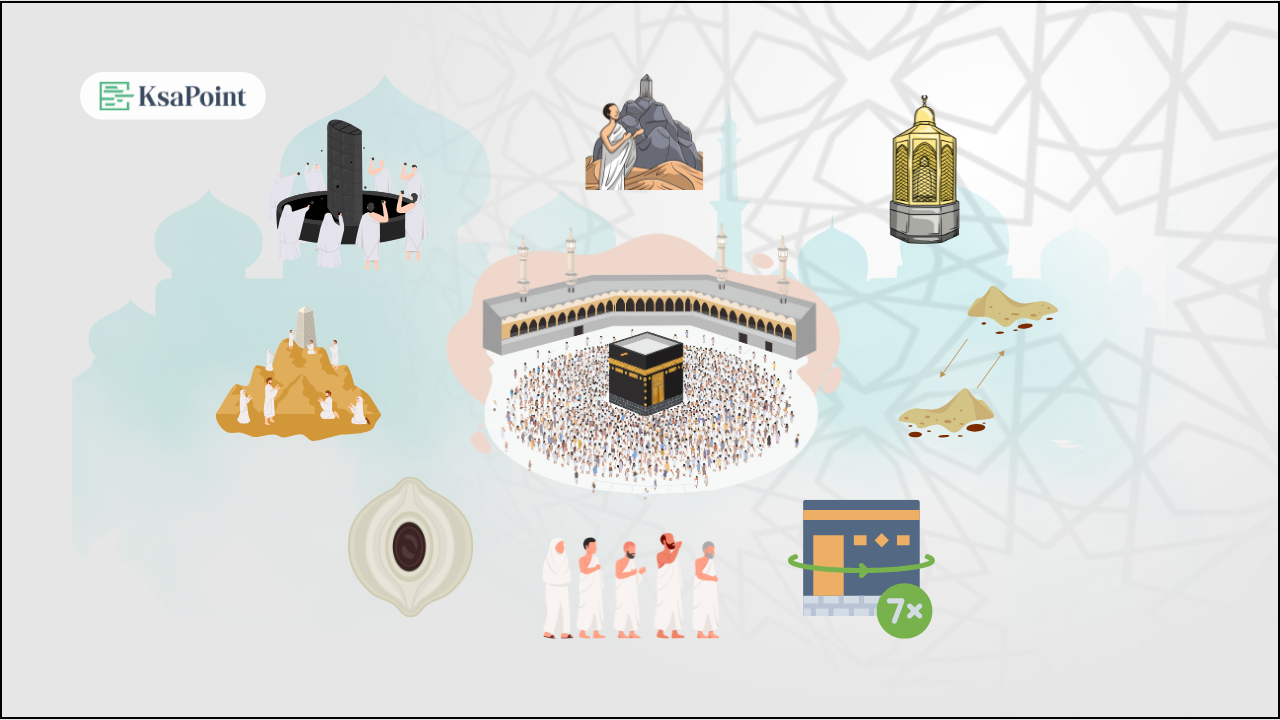
If you are visiting Makkah for Hajj or Umrah. You must be looking for historical Ziyarat places to visit. This complete guide covers 20+ important sacred sites that every Muslim should know about when visiting the holy city of Makkah.
What is Ziyarat in Islam
Ziyarat means visiting holy and sacred places in Islam. When Muslims come to Makkah for Hajj or Umrah. They also visit important historical places connected to Prophet Muhammad ﷺ, the Sahaba (companions) and Islamic history.
These Ziyarat places help us understand our Islamic heritage better and strengthen our faith. Visiting these sacred sites is not part of Hajj or Umrah rituals. But it is blessed opportunity to learn about Islamic history.
Important Ziyarat Places in Makkah
- Masjid Al Haram
- Masjid e Aisha (Masjid al-Taneem)
- Cave of Hira (Jabal Nur)
- Birthplace of Prophet Muhammad ﷺ
- Jannat al Mualla
- Cave of Thawr (Jabal Thawr)
- Zubaida Canal
- Masjid al-Jinn
- Bilal bin Rabah Mosque
- Mount Abu Qubais
- Masjid Al Khayf
- Jabal Rahma (Mount of Mercy)
- Masjid Al Nimra
- Muzdalifah
- Jamarat (The Pillars)
- Grave of Sayyidah Maymuna رضي الله عنها
- Masjid Al Hudaibiyah
- Al-Shabeka Graveyard
- Clock Tower Museum
- Makkah Museum
- Kiswa Factory
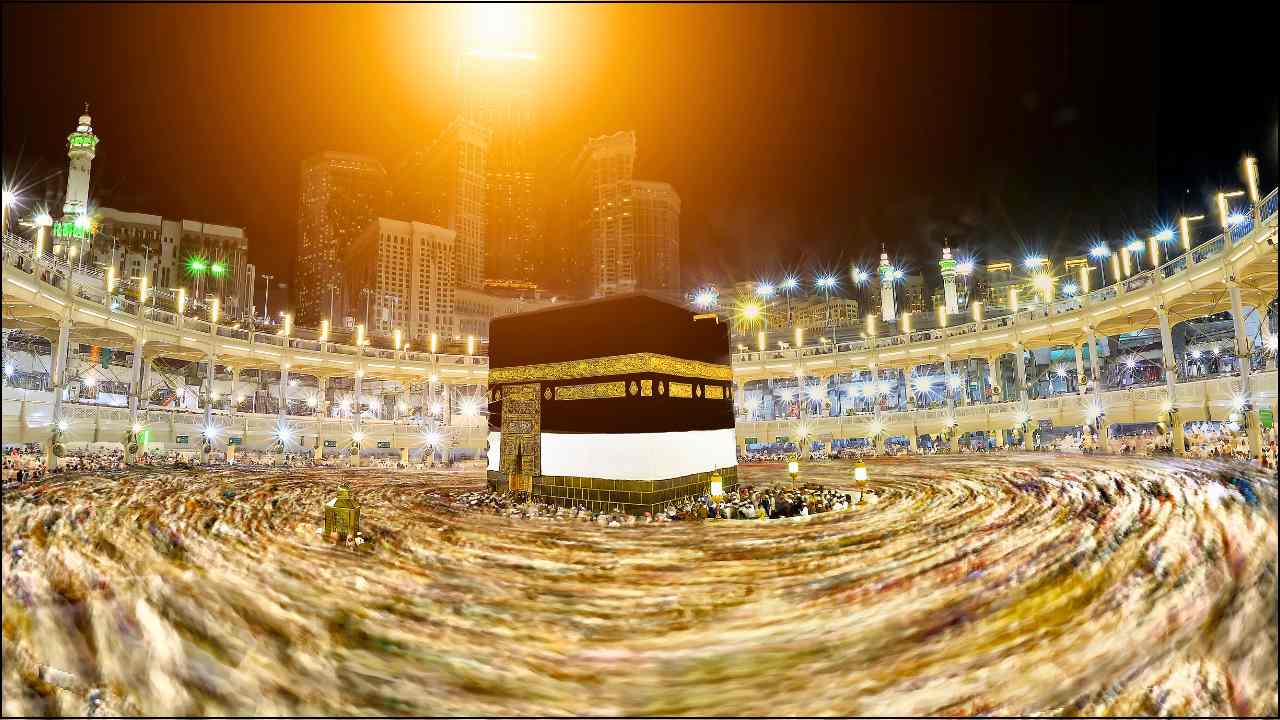
Masjid Al Haram
Masjid Al Haram is most sacred place in Islam and main destination for every Muslim. This grand mosque houses the holy Kaaba and several important Ziyarat sites.
What to see in Masjid Al Haram:
- Kaaba: The house of Allah, towards which Muslims pray five times daily
- Hajr-e-Aswad: The blessed black stone placed by Prophet Muhammad ﷺ
- Maqam-e-Ibrahim: The station where Prophet Ibrahim عليه السلام stood while building the Kaaba
- Safa and Marwa: Two small hills where Hajj and Umrah pilgrims perform Sa’i
- Kiswa: The beautiful black cloth covering the Kaaba with gold embroidery
- Zamzam Well: The sacred well that provides blessed water
Almost whole city of Makkah during the time of Prophet Muhammad ﷺ is now within Masjid al-Haram due to expansions.
Visiting Tips: Open 24 hours. Enter with wudu (ablution). Dress modestly. Keep belongings safe.
Masjid e Aisha (Masjid al-Taneem)
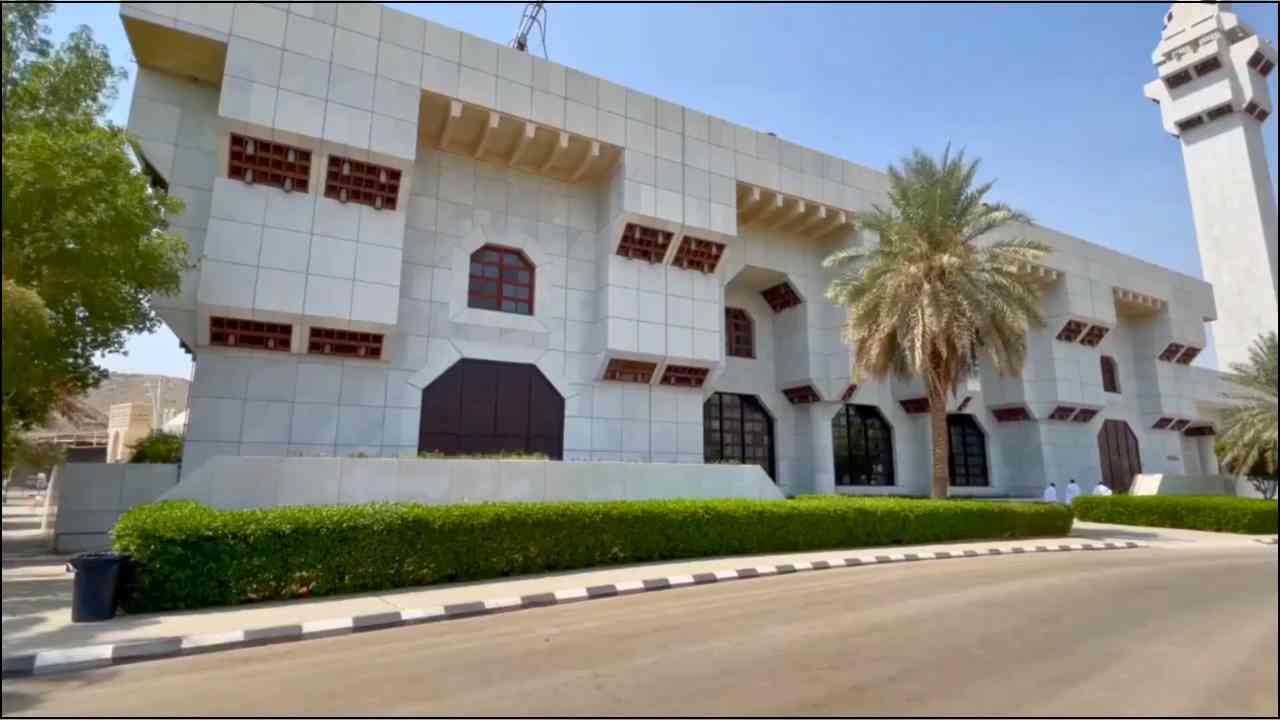
Masjid e Aisha is second largest mosque in Makkah and can accommodate 47,084 worshipers. This is Miqat (boundary) from where pilgrims living in Makkah assume Ihram for their Umrah.
Many people performing Umrah multiple times during their stay visit this mosque to wear Ihram again. The mosque is about 7 km from Masjid al-Haram.
Why Visit: If you want to perform another Umrah during your stay in Makkah. You must come here to wear Ihram.
How to Reach: Take a taxi or bus. Many hotels arrange transportation.
Cave of Hira (Jabal Nur)
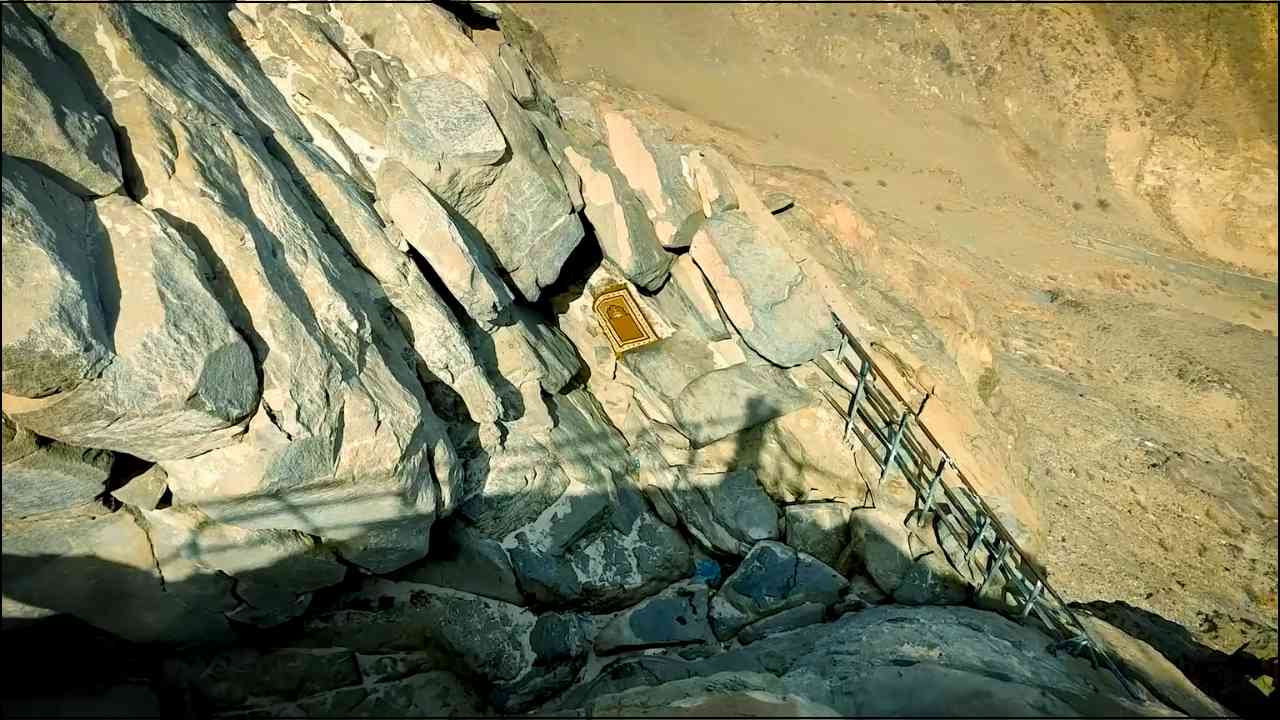
Cave of Hira is located on Jabal Nur (Mountain of Light). This is most important cave in Islamic history because Prophet Muhammad ﷺ received his first revelation from Angel Jibreel عليه السلام here.
The Prophet ﷺ used to spend days and nights in meditation in this cave before receiving prophethood at the age of 40.
Visiting Information:
- Hiking Time: 2-3 hours to climb up and down
- Difficulty: Moderate to difficult climb
- Best Time: Early morning or late evening (avoid midday heat)
- What to Bring: Water, comfortable shoes, energy snacks
- Physical Requirement: Good health and stamina needed
Although climb is challenging. It is one of most frequently visited Ziyarat places in Makkah. The view from the top is breathtaking.
Important Note: There is nothing specific to do in the cave. Simply visit, reflect and make dua.
Birthplace of Prophet Muhammad ﷺ
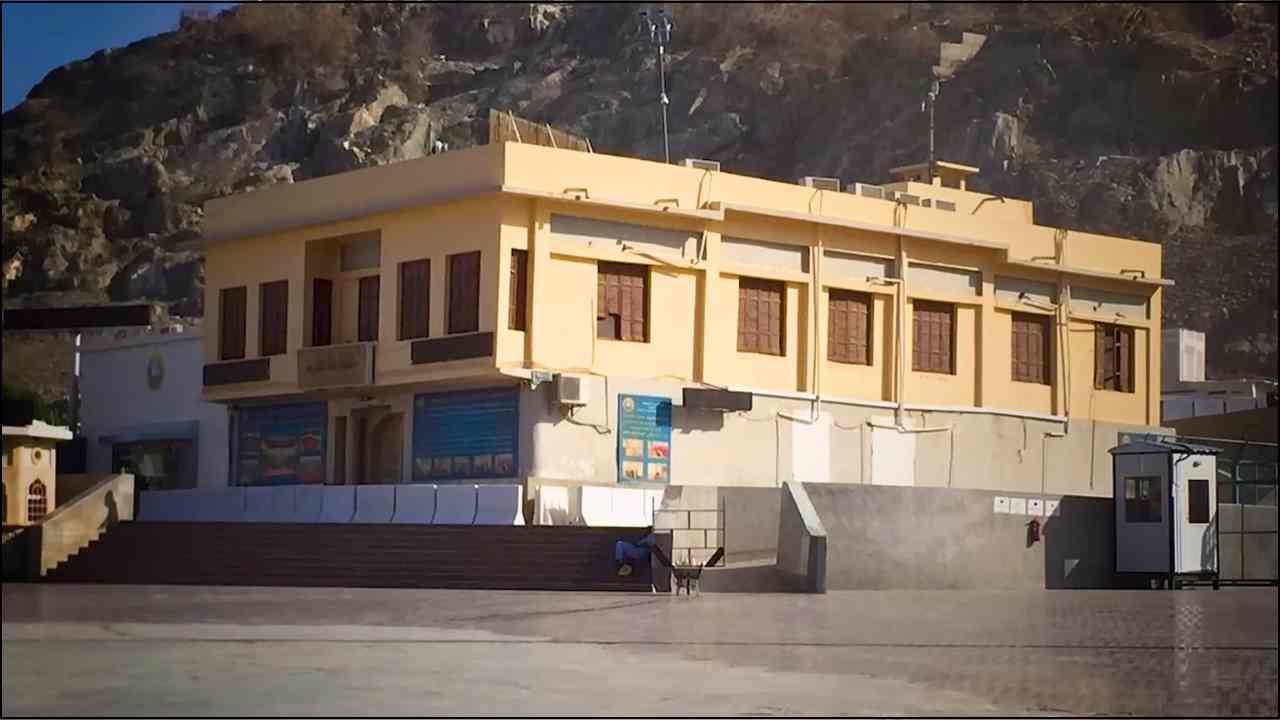
The birthplace of Prophet Muhammad ﷺ is now the location of Makkah Al Mukarrama Library. The Prophet ﷺ was born here on the 12th of Rabi ul Awwal (Monday) in the year 570 CE.
This Ziyarat place should be on the top of every Muslim’s list when visiting Makkah. The library is within walking distance from Masjid al-Haram.
What to Do: Visit the library. See the historical markings, make dua and feel blessed to stand where the greatest human was born.
Visiting Tips: Modest dress required. Be respectful. Photography may be restricted.
Jannat al Mualla
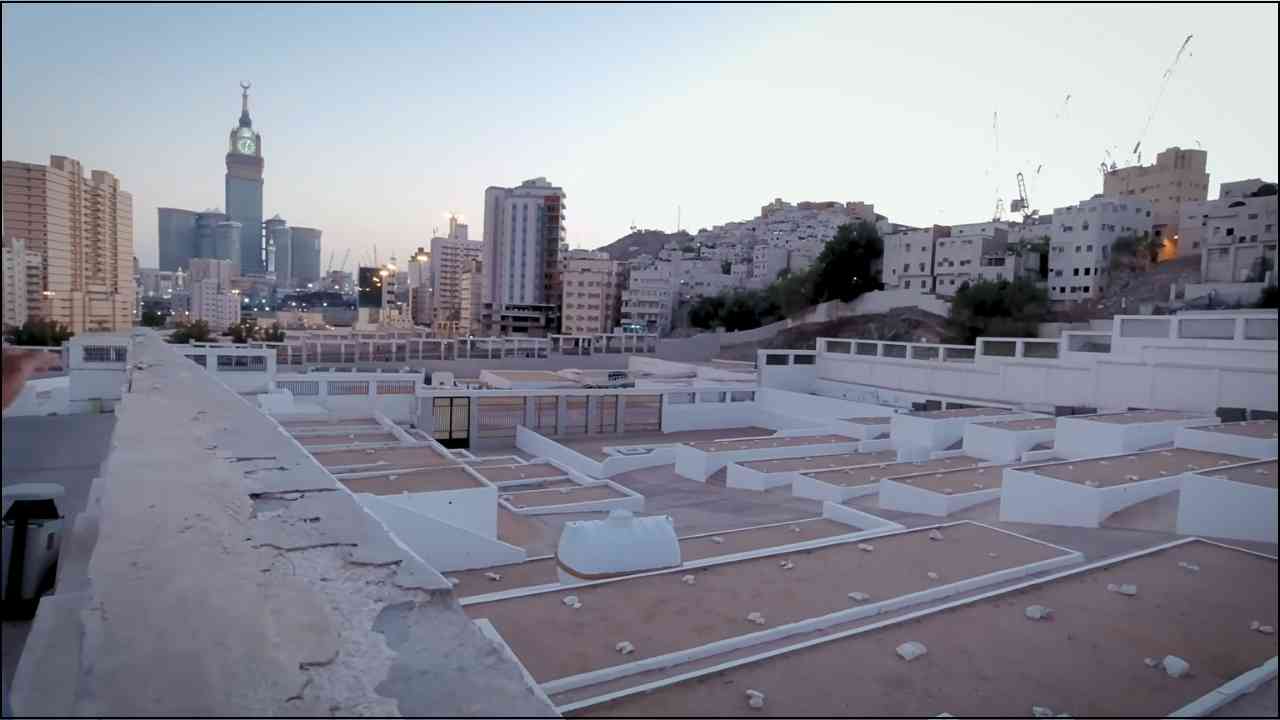
Jannat al Mualla is main cemetery of Makkah that was frequently visited by Prophet Muhammad ﷺ during his stay in city. This is where many Sahaba and relatives of Prophet ﷺ are buried.
Who is buried in Jannat al Mualla:
- Khadijah bint Khuwaylid رضي الله عنها (first wife of Prophet Muhammad ﷺ)
- Abu Talib (uncle of Prophet Muhammad ﷺ)
- Abdul Muttalib (grandfather of Prophet Muhammad ﷺ)
- Abdullah (father of Prophet Muhammad ﷺ)
- Aminah bint Wahb (mother of Prophet Muhammad ﷺ)
- Qasim and Abdullah (sons of Prophet Muhammad ﷺ)
- Many other Sahaba and early Muslims
Visiting Tips: Be respectful. Make dua for the deceased. Do not perform any rituals or innovations.
Location: Near Masjid al-Haram. Walking distance from the mosque.
Cave of Thawr (Jabal Thawr)
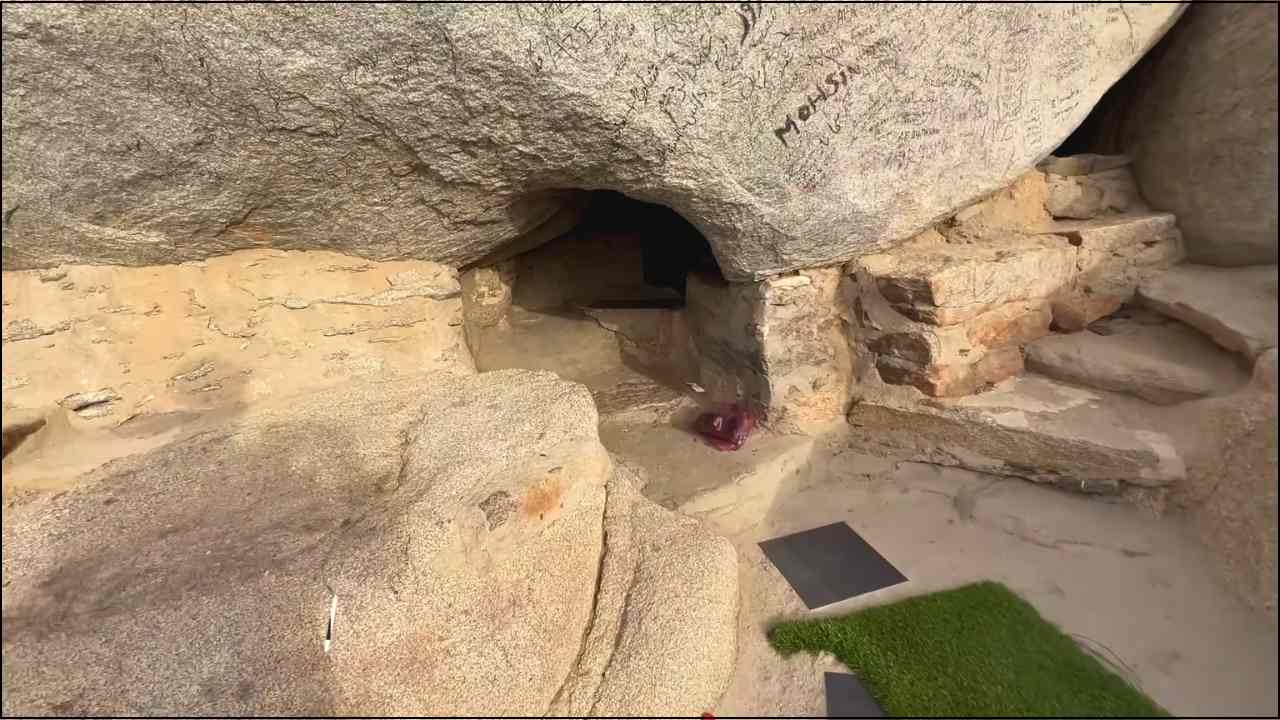
While migrating from Makkah to Madinah. The infidels of Makkah followed Prophet Muhammad ﷺ. He along with Abu Bakr رضي الله عنه, hid in the Cave of Thawr for three days.
The Miracle: A spider quickly weaved a web over cave entrance and a pigeon laid eggs immediately outside. When the Quraish reached the cave and saw spider web and bird nest. They assumed no one could be inside and returned.
This miracle saved the Prophet ﷺ and his companion and Islam continued its journey to Madinah.
Visiting Information:
- Hiking Time: 3-4 hours round trip
- Difficulty: More difficult than Jabal Nur
- Location: South of Makkah and opposite direction from Jabal Nur
Due to this blessed miracle the pilgrims love to visit the historical Cave of Thawr in Makkah.
Zubaida Canal
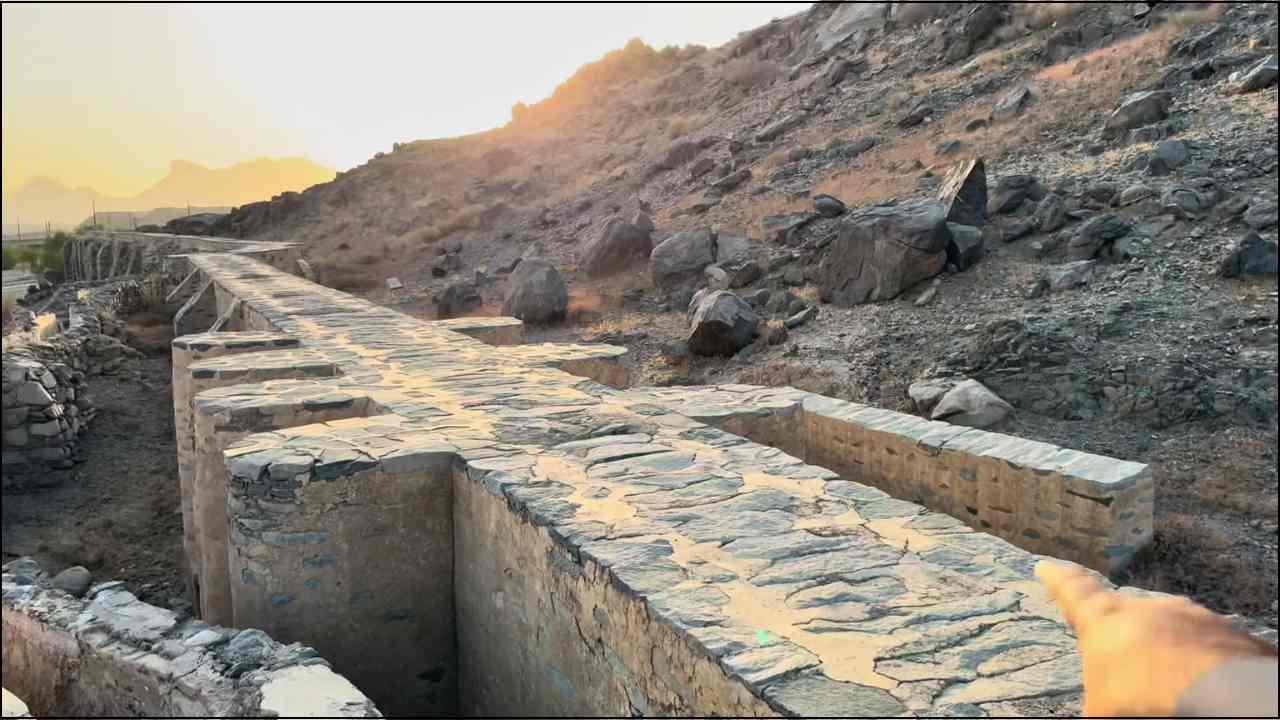
Queen Zubaida the wife of Caliph Harun al-Rashid came to perform Hajj in 809 A.D. She saw that pilgrims were facing an extreme shortage of water. Immediately she ordered the construction of canal to bring water from springs outside Makkah.
This canal served pilgrims for 1,000 years and is engineering marvel. The Zubaida Canal is one of most historic places to visit in Makkah showing the Islamic civilization’s advancement.
Historical Importance: Shows the care and concern rulers had for Hajj pilgrims.
Masjid al-Jinn
Once Prophet Muhammad ﷺ was reciting the Holy Quran at this location when a group of Jinns passing by stopped to listen. They accepted Islam after hearing the recitation.
This event is mentioned in Holy Quran in Surah Al-Jinn. Many people who visit Makkah try to offer at least one prayer in Masjid al-Jinn.
Location: In Al Hujun area about 2 km from Masjid al-Haram.
Surah Al-Jinn Reference: “Say, it has been revealed to me that a group of the jinn listened and said, ‘Indeed, we have heard an amazing Quran.'” (72:1)
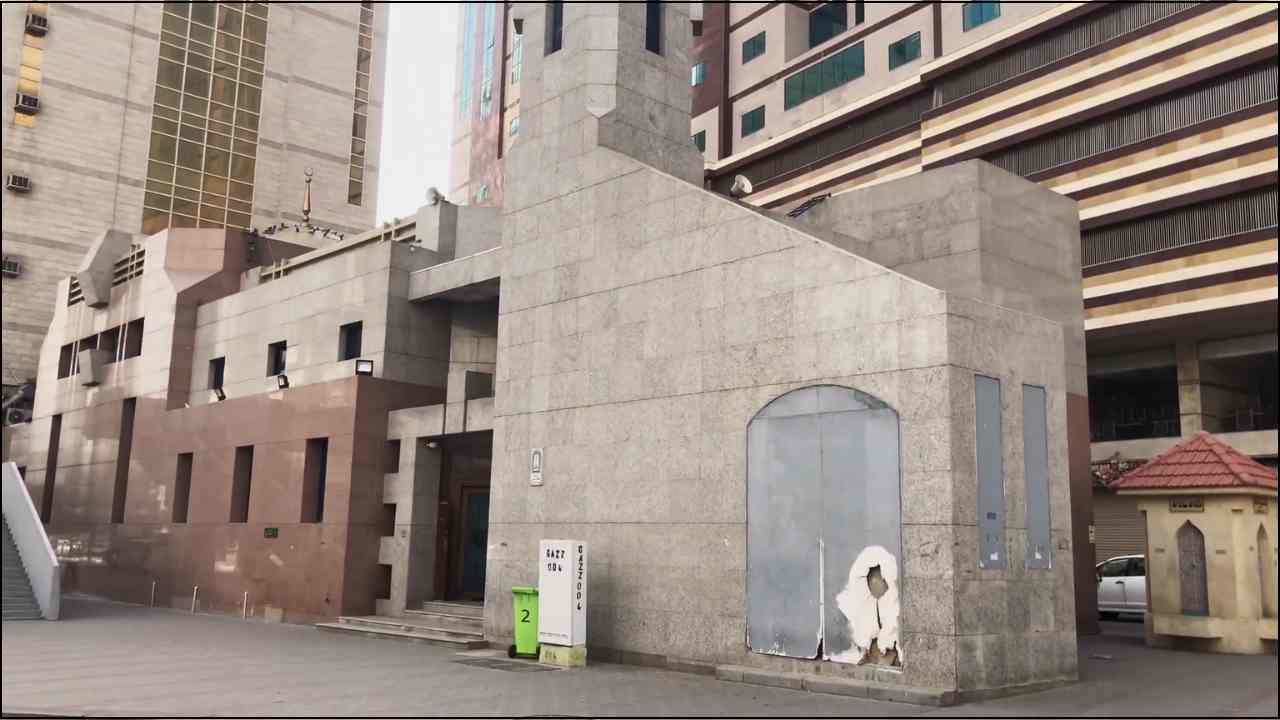
Bilal bin Rabah Mosque
Bilal bin Rabah رضي الله عنه was first Muezzin (caller to prayer) in Islam and most trusted and loyal companion of Prophet Muhammad ﷺ. He was an African slave who was tortured for accepting Islam but remained steadfast.
The Saudi government has converted his house into a mosque. People who love and respect Bilal رضي الله عنه visit this historical Ziyarat place in Makkah.
Historical Significance: Shows the equality in Islam where a former slave became one of closest companions of the Prophet ﷺ.
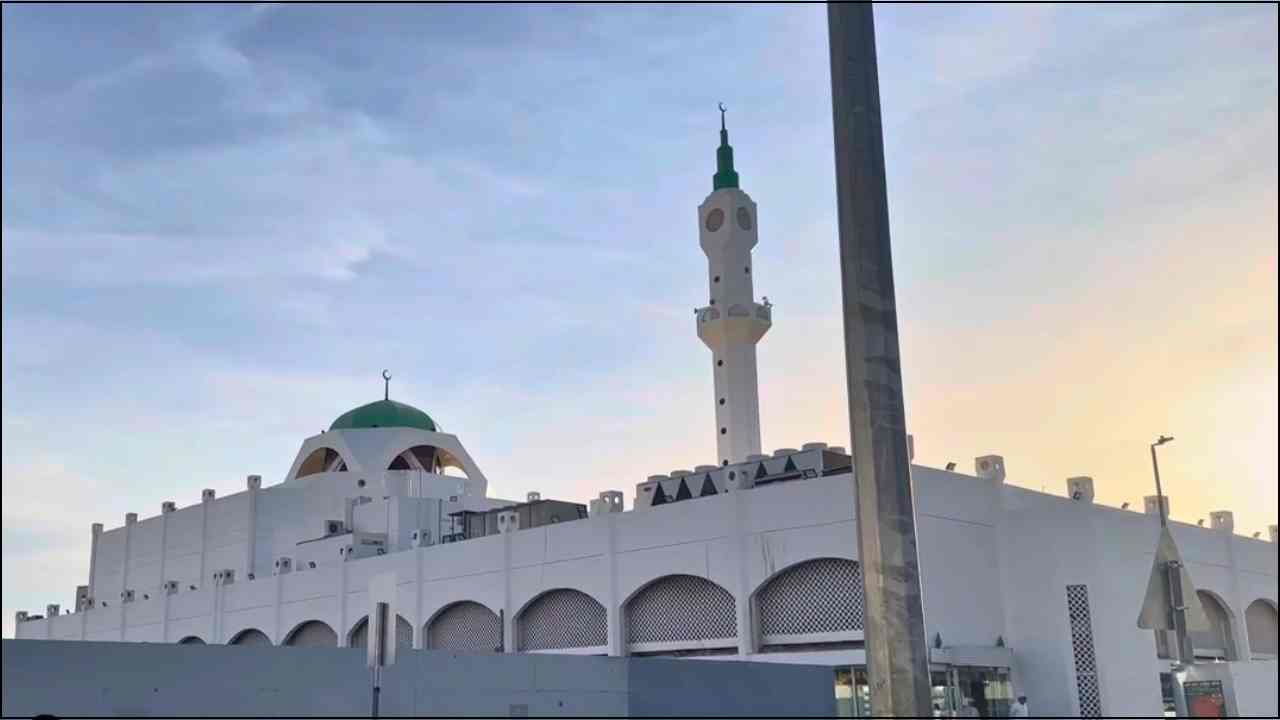
Mount Abu Qubais
Mount Abu Qubais has great significance in Islamic history:
Important Events:
- Splitting of Moon: Prophet Muhammad ﷺ performed the miracle of splitting the moon into two halves from this mountain
- Black Stone: It is said the Hajr-e-Aswad was kept safe here during the Great Flood
Despite its historical importance, not many tourists know about this Ziyarat place in Makkah.
Location: East of Masjid al-Haram. Visible from the mosque.
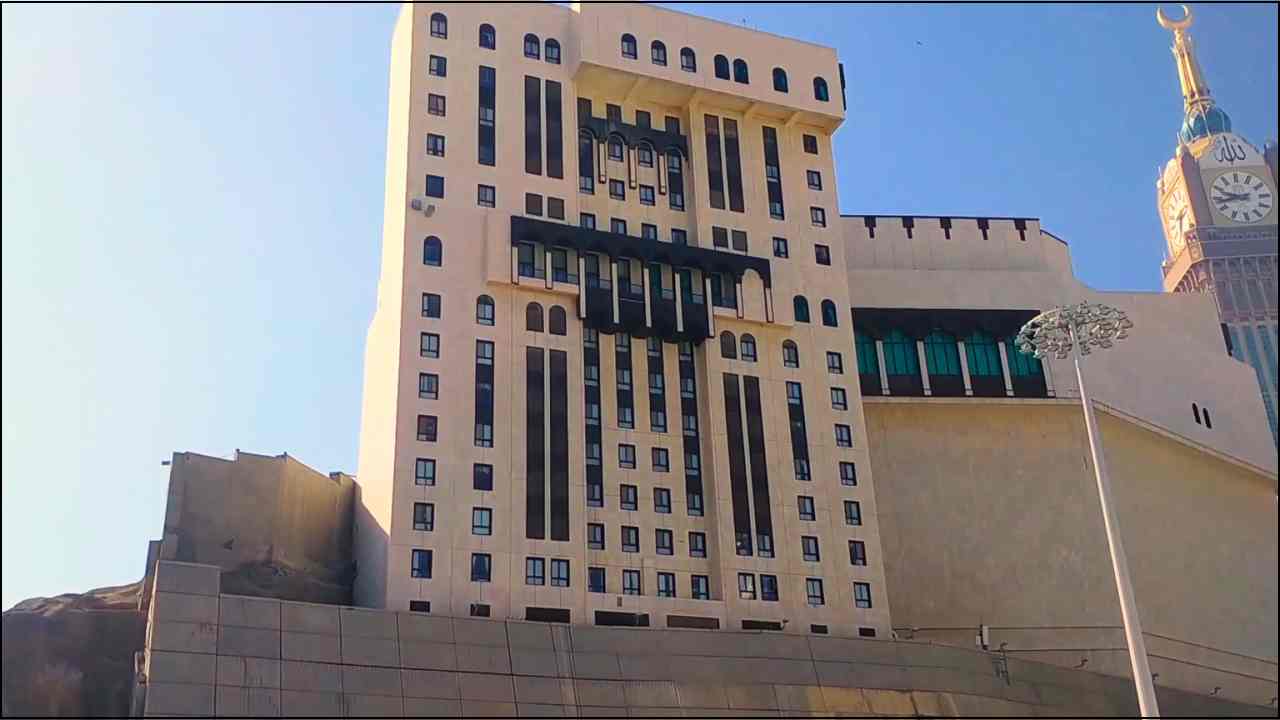
Masjid Al Khayf
Masjid Al Khayf is located in Mina. South of the tent area and close to Jamarat. It is said that seventy prophets offered prayers in Masjid al Khayf, making it extremely blessed.
Every Hajj pilgrim loves to visit this historical and sacred Ziyarat place in Makkah. The mosque has been expanded and can now accommodate thousands of worshippers.
Best Time to Visit: During Hajj days when you are in Mina or any time during the year.
Location: Mina, near Jamarat.
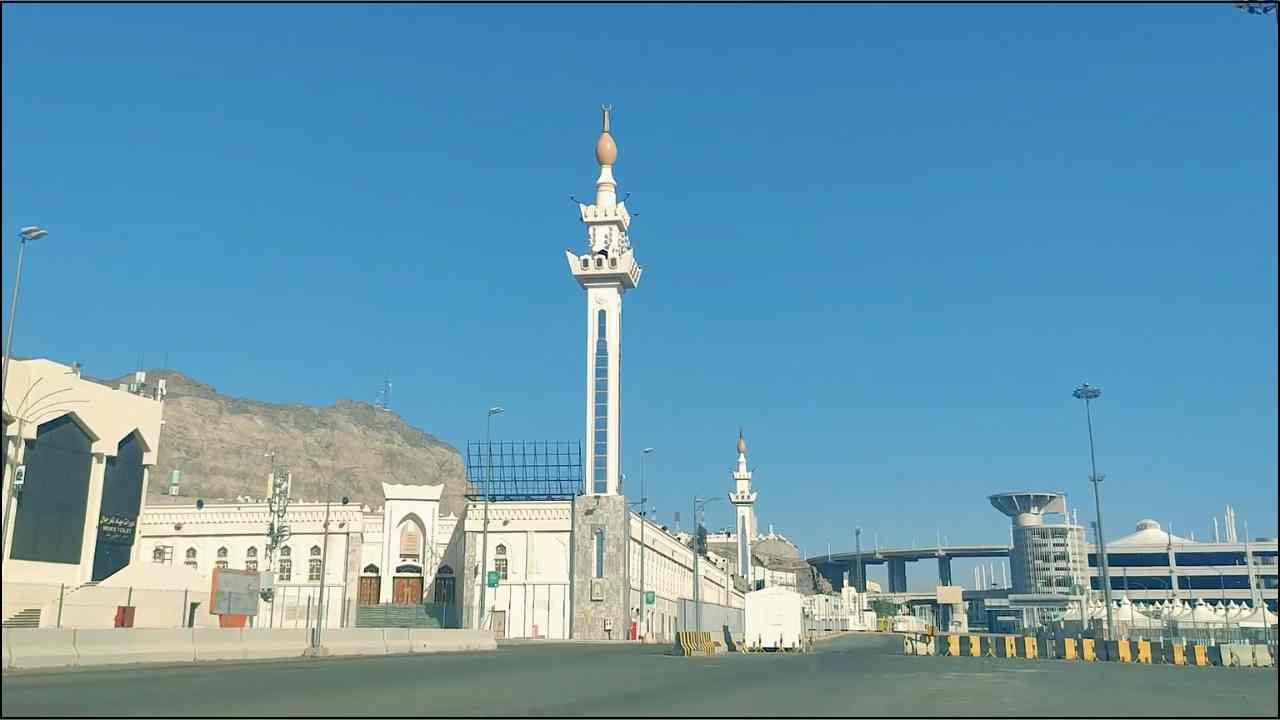
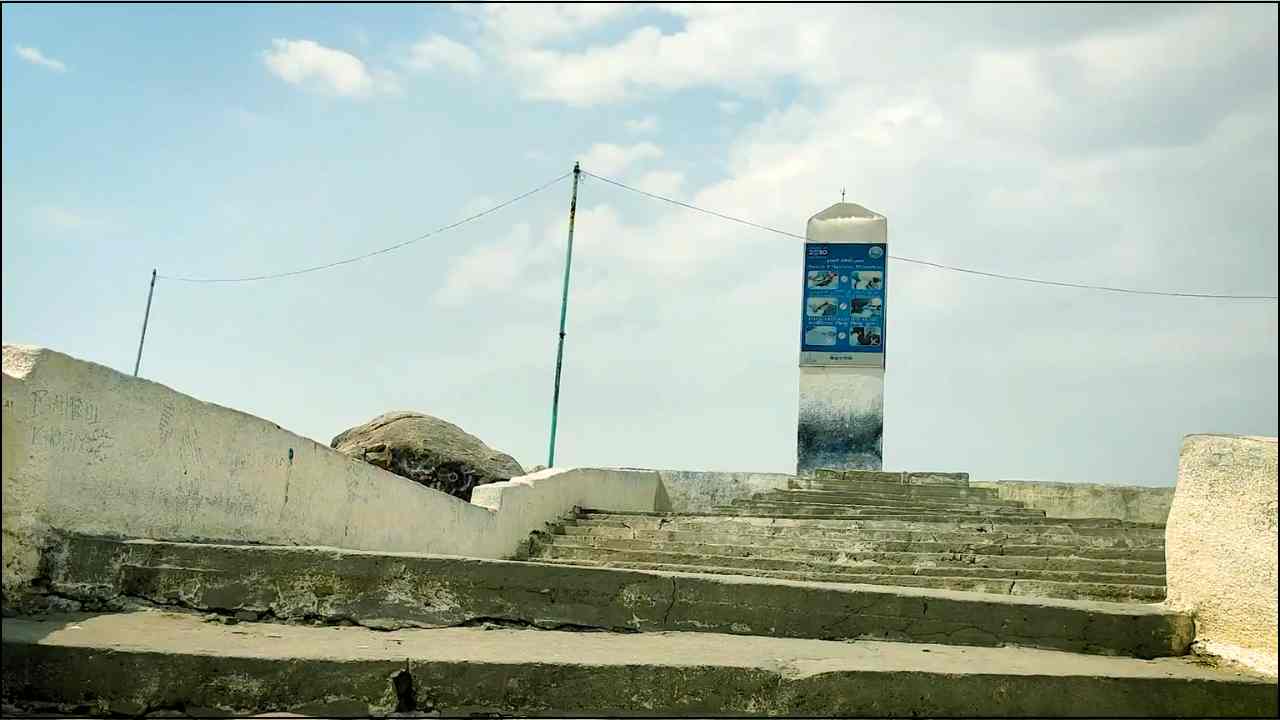
Jabal Rahma (Mount of Mercy)
Jabal Rahma is located at Arafat plains. This is blessed place where:
- Prophet Adam and Hawwa Reunited: After descending to Earth separately. They were reunited here after being forgiven by Allah
- Farewell Sermon: Prophet Muhammad ﷺ delivered his famous last sermon here during his farewell Hajj
Staying at Arafat plains is one of most important (Fard) acts of Hajj. All Hajj pilgrims spend the day of 9th Dhul Hijjah here.
Why There is a Pillar: The white pillar marks the place where Prophet Muhammad ﷺ stood during his farewell sermon.
Visiting: If performing Hajj. You will be here on Day of Arafah. If performing only Umrah. You can visit any time.
Masjid Al Nimra
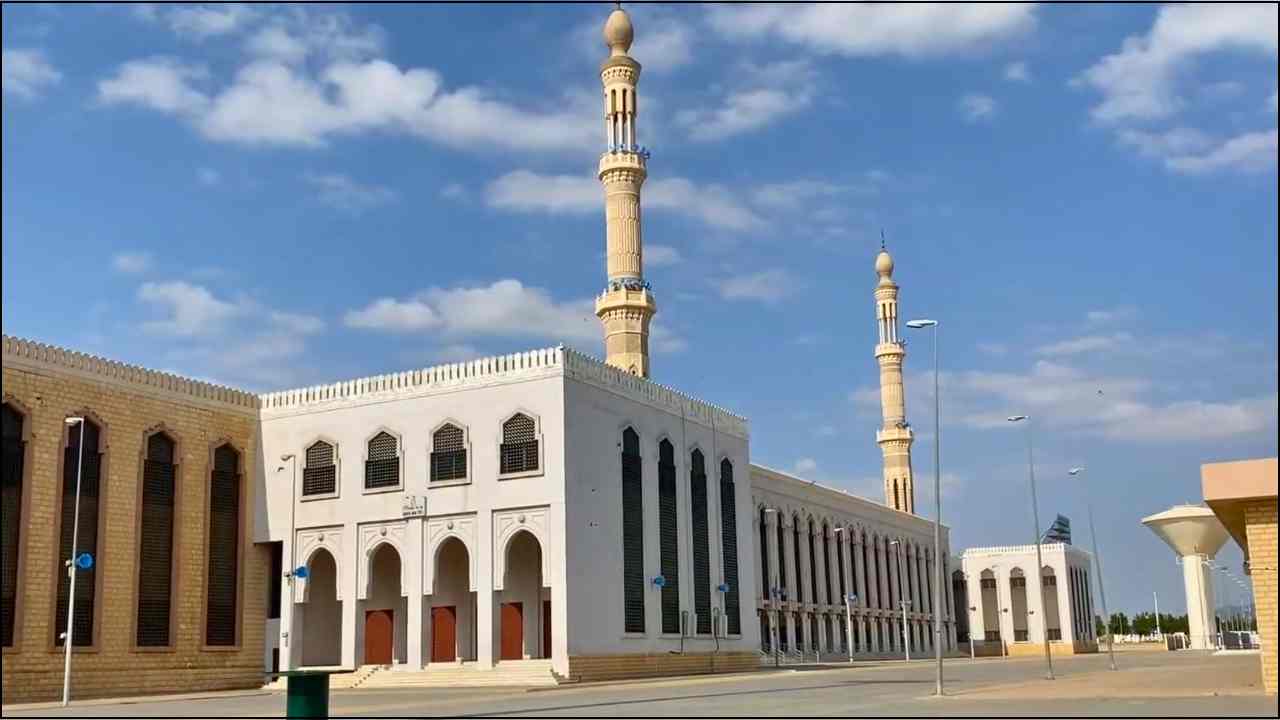
Masjid al Nimra at the Arafat plains is where the Hajj sermon is delivered every year. This is exact place where Prophet Muhammad ﷺ delivered his last and most famous sermon during his farewell Hajj in 632 CE.
The sermon covered fundamental Islamic principles including equality, justice, women’s rights and brotherhood.
Important: Part of mosque is in Arafat and part is outside. Make sure you are in correct area on the Day of Arafah.
Visiting: The mosque is open throughout the year. But it becomes the focal point during Hajj.
Muzdalifah
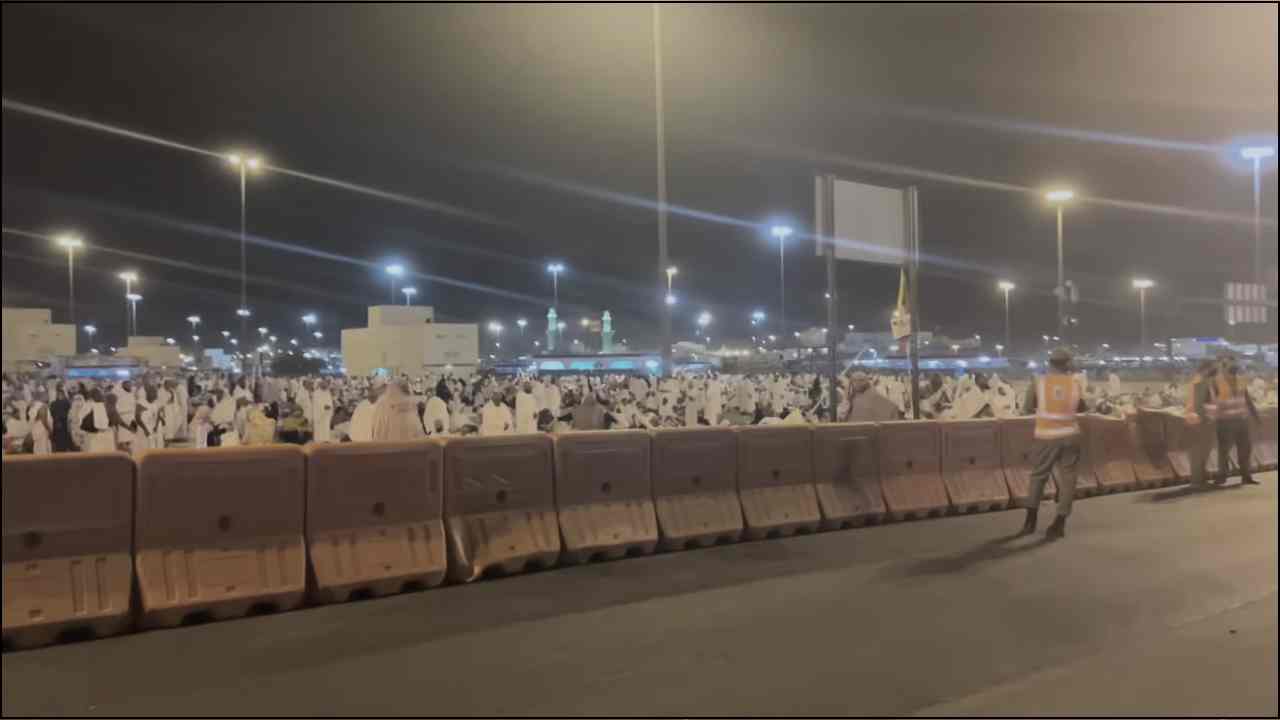
Muzdalifah also known as al-Mashar al-Haram, is mentioned in Holy Quran. It is a plain between Arafat and Mina and stretching about 4 kilometers.
Quranic Mention: “When you leave Arafat, then remember Allah at the Mash’ar al-Haram”
(Surah Al-Baqarah: 198)
Hajj Ritual: After leaving Arafat on evening of 9th Dhul Hijjah then Pilgrims spend night under the open sky in Muzdalifah and collect pebbles for Jamarat.
Visiting: If performing Hajj this is mandatory. If performing Umrah only then you can visit this blessed open area.
Jamarat (The Pillars)
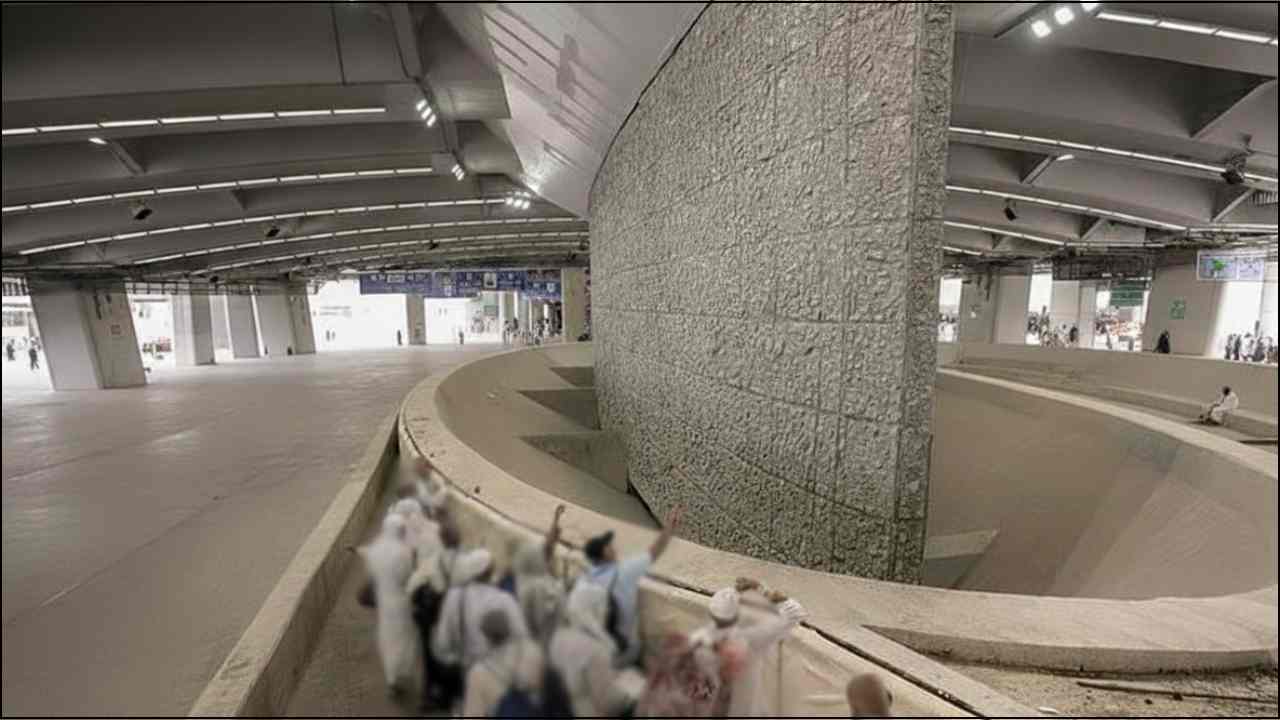
Pelting stones at the three pillars of Jamarat is one of Wajib acts of Hajj. This ritual commemorates Prophet Ibrahim عليه السلام rejecting Satan’s temptations.
Why Do We Stone Jamarat
Satan tried to tempt Prophet Ibrahim عليه السلام three times to disobey Allah’s command. Each time, Ibrahim عليه السلام threw stones at Satan to drive him away. We do same to show our rejection of Satan.
Three Pillars:
- Jamarat al-Aqaba (Big Pillar)
- Jamarat al-Wusta (Middle Pillar)
- Jamarat al-Sughra (Small Pillar)
Visiting: During Hajj it is extremely crowded. If you are performing Umrah only then visit during other months when it is empty and you can see structure clearly.
Location: Mina, between Muzdalifah and Makkah.
Grave of Sayyidah Maymuna رضي الله عنها
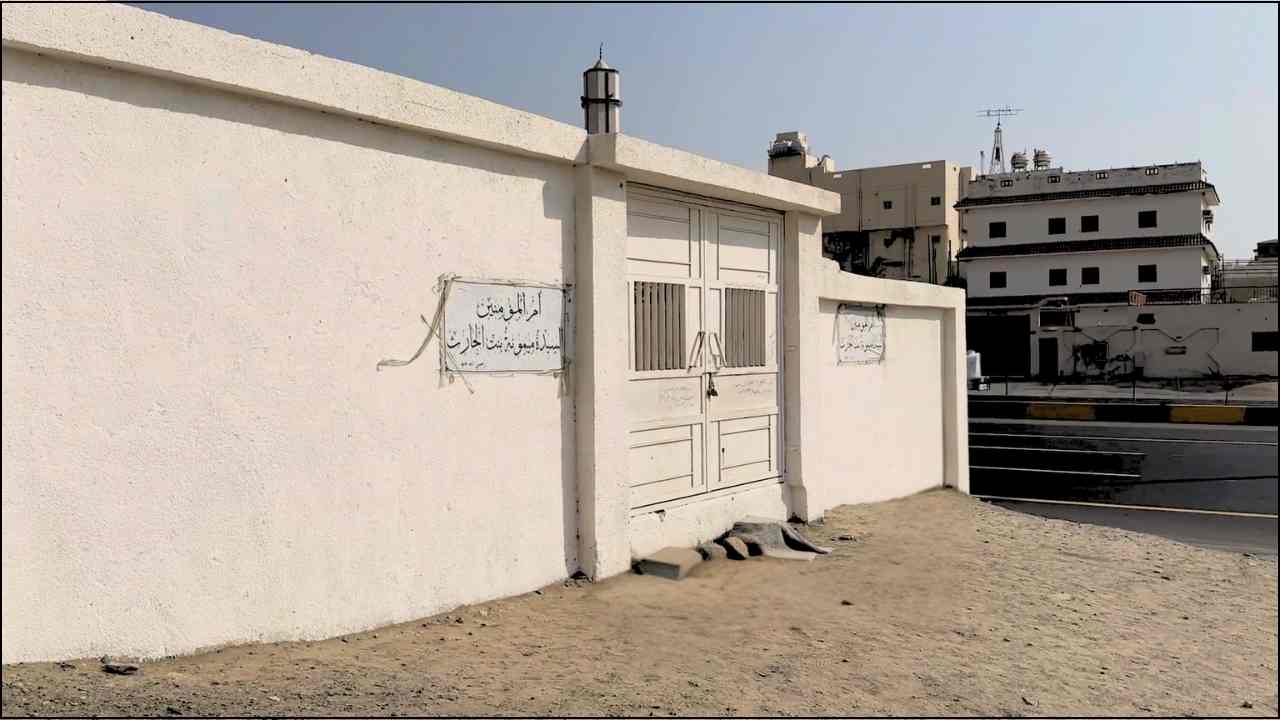
Sayyidah Maymuna رضي الله عنها is one of blessed wives of Prophet Muhammad ﷺ. As part of Treaty of Hudaibiyah, Prophet Muhammad ﷺ went to Makkah to perform Umrah, and it was there that Maymuna رضي الله عنها proposed marriage, Which he accepted.
She passed away in 61 AH (680 CE) and is buried in Sarif. A locality about 20 km from Makkah on the road to Madinah.
Visiting: This is one of less-visited Ziyarat places in Makkah but those who know about it make the journey to pay respects.
Masjid Al Hudaibiyah
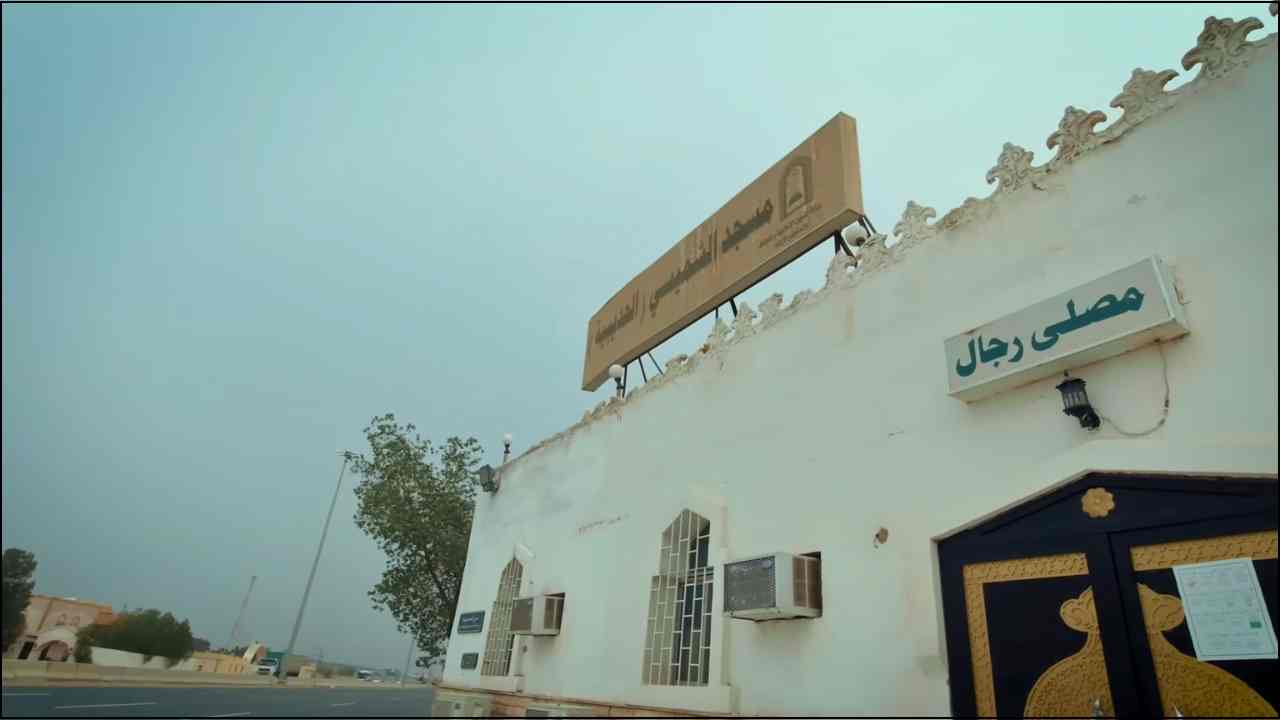
Masjid al Hudaibiyah is built at place where the famous Treaty of Hudaibiyah was signed in 628 CE (6 AH). This treaty was turning point in Islamic history.
Historical Importance:
The treaty allowed for a 10-year peace between Muslims and Quraish. It also allowed Muslims to perform Umrah the following year. Within two years many people accepted Islam, and Makkah was eventually conquered peacefully.
Quranic Reference: The treaty is mentioned in Surah Al-Fath. Where Allah calls it a “clear victory”
Due to its historical significance the Masjid al Hudaibiyah has become one of most frequently visited Ziyarat places in Makkah.
Location: About 24 km from Makkah towards Jeddah.
Al-Shabeka Graveyard
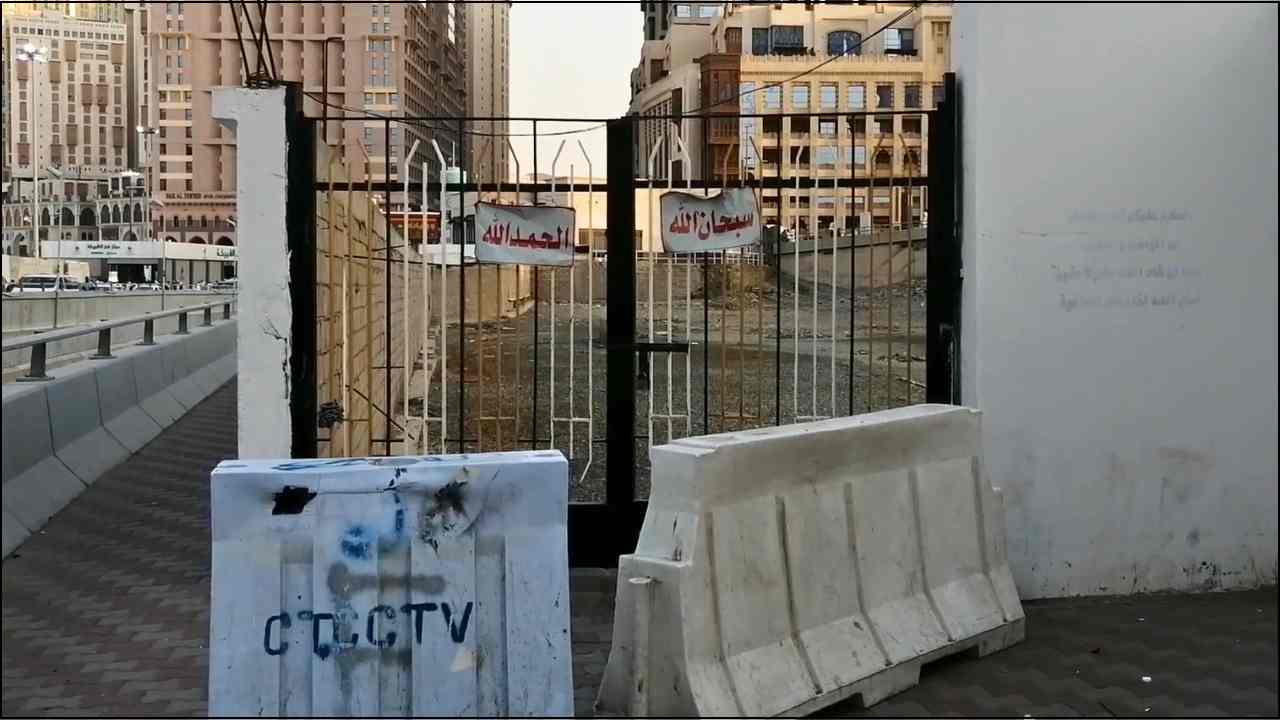
Al-Shabeka graveyard has sad and blessed history. Before Islam the people of Makkah used to bury their daughters alive here, following the evil pre-Islamic tradition.
Buried Here:
Summaya bint Khabbab رضي الله عنها, the first female martyr in Islam, is believed to be buried here. She was tortured to death for accepting Islam but never gave up her faith.
Historical Lesson: Shows the darkness before Islam and the light that Islam brought to humanity.
Clock Tower Museum
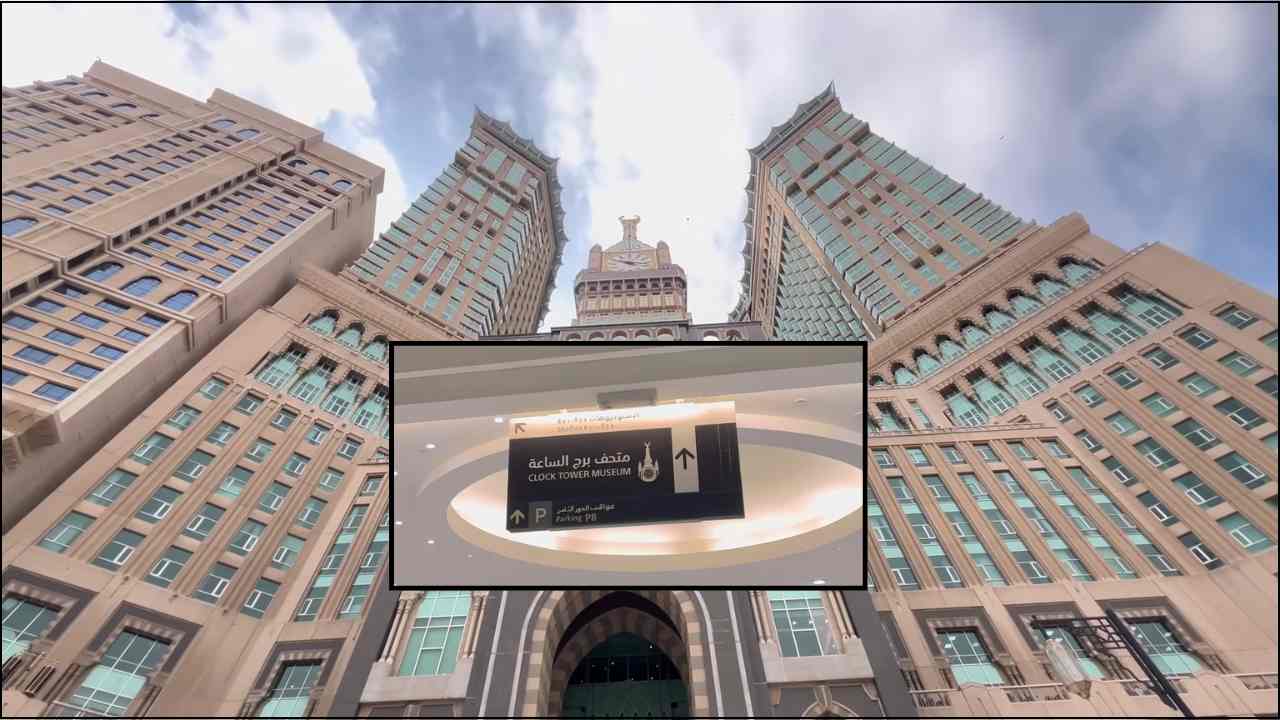
Makkah Clock Tower Museum takes visitors back in time and provides a fascinating tour of timekeeping through history. The museum shows how people measured time using the sun, moon and stars before modern clocks.
Museum Highlights:
- History of timekeeping in Islamic civilization
- Astronomical instruments used by Muslim scientists
- View of Makkah from observation deck
- The Clock Tower mechanism and architecture
Visiting Information:
- Timing: 2 PM to 11 PM
- Ticket Price: SAR 75+ without deck view and SAR 150+ with deck view
- Location: Abraj Al Bait Clock Tower complex
Tip: The observation deck offers stunning views of Masjid al-Haram and Makkah.
Makkah Museum
Makkah Museum has various collections showcasing Islamic cultural and historical dimensions of Two Holy Mosques. The museum contains archaeological artifacts from prehistoric times.
What to See:
- Rock inscriptions from ancient times
- Ancient stone tools and pottery
- Islamic cultural items
- Historical manuscripts and documents
- Traditional Saudi artifacts
Visiting Information:
- Timing: 8 AM to 12 PM and 4 PM to 9 PM (closed during midday)
- Location: Near Makkah city center
- Entry: Free or minimal fee
Exhibition of Two Holy Mosques Architecture
This exhibition is best place to learn about the past, present and future of Masjid al-Haram and Masjid an-Nabawi. The museum consists of 7 halls.
What to See:
- Detailed models of Two Holy Mosques
- Historical photographs showing expansions
- Antiquities and inscriptions
- Models of Kaaba covering (Kiswa)
- The old door of the Kaaba
- Rare photographs of the Two Holy Mosques
- A copy of Uthman’s collection of Quran
Visiting Information:
- Timing: 8 AM to 8 PM
- Entry: Free
- Duration: 1-2 hours recommended
This museum helps understand the growth and development of holy mosques over centuries.
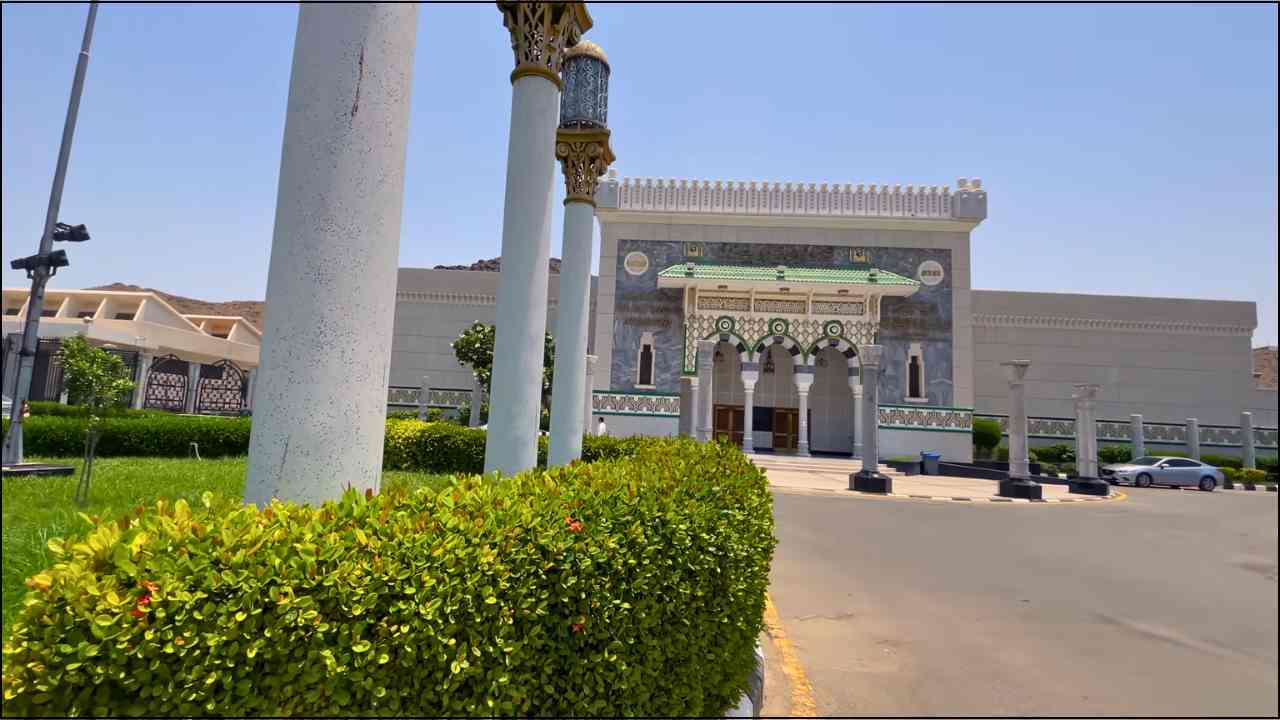
Kiswa Factory
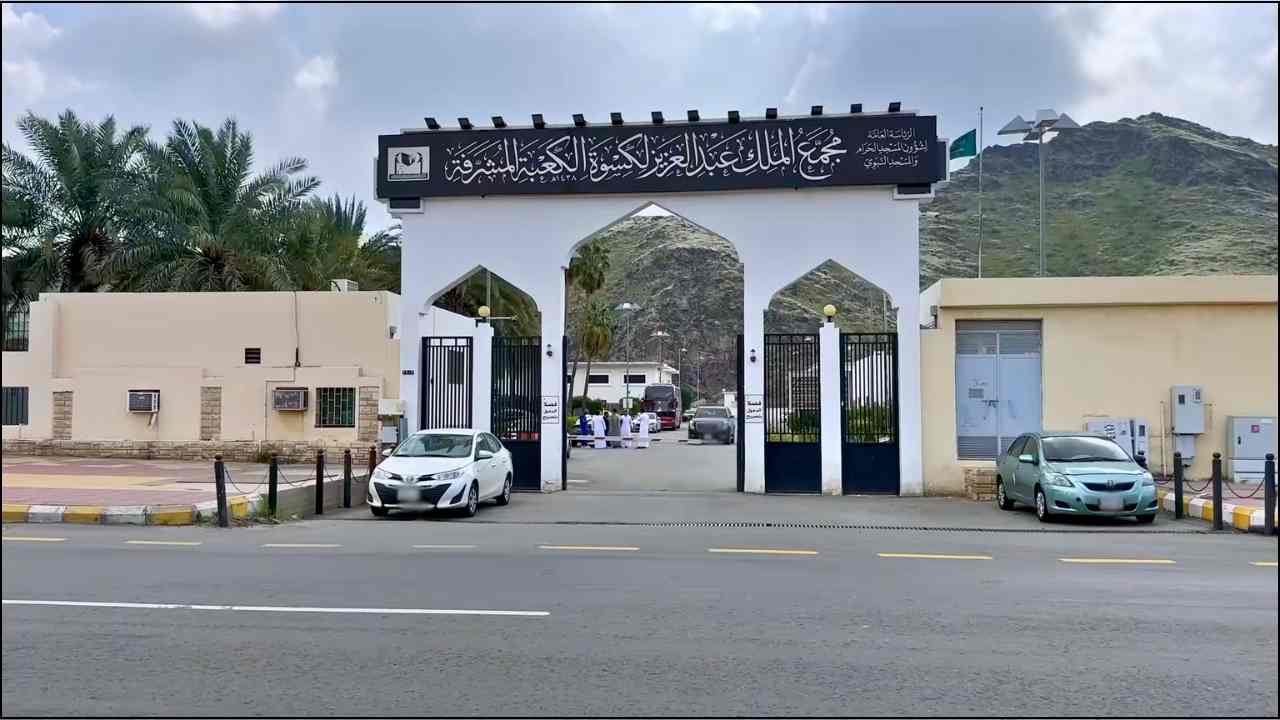
Kiswa Factory produces the cover (cloth) of Holy Kaaba. The Kiswa is made of black silk with gold embroidery featuring Quranic verses.
Every year a new Kiswa is made to replace old one during Hajj. The old Kiswa is cut into pieces and distributed to important people and institutions worldwide.
Visiting: You need a special permit to visit the Kiswa Factory. Book an appointment in advance.
Planning Your Ziyarat in Makkah
How Many Days Do You Need
- Hajj + Basic Ziyarat: 8-10 days
- Umrah + Main Ziyarat: 5-7 days
- Umrah + Detailed Ziyarat: 10-14 days
Best Time to Visit
For Ziyarat Only: Any month except Hajj season (avoid Dhul Hijjah) when places are extremely crowded.
Recommended Months: Ramadan (blessed but crowded), Rajab, Sha’ban or any other month.
Tips for Visiting Ziyarat Places
- Make a List: Choose which places are most important to you
- Group Nearby Places: Visit locations in the same area together
- Hire a Guide: Local guides know the history and locations well
- Start Early: Begin your day early to avoid heat and crowds
- Stay Hydrated: Carry water, especially for mountain climbs
- Wear Comfortable Shoes: You will do a lot of walking
- Respect Sacred Places: Be quiet, modest and respectful
- Don’t Rush: Take time to reflect and make dua
- Photography: Ask before taking photos, respect restrictions
- Learn History: Read about places before visiting for better understanding
Transportation
- Walking: Many places near Masjid al-Haram are walkable
- Taxi/Uber/Careem: Easy and affordable for longer distances
- Hotel Transportation: Some hotels arrange Ziyarat tours
- Rental Car: If you are comfortable driving in Makkah
- Tour Groups: Many companies offer organized Ziyarat tours
Cost of Visiting
Most Ziyarat places in Makkah are free to visit. You only pay for:
- Transportation (taxis, rental cars)
- Museum entry fees (SAR 75-150)
- Guide fees if you hire one
- Food and refreshments
Safety Tips
- Inform Someone: Tell your hotel or family where you are going
- Carry ID: Always have your identification
- Emergency Numbers: Save local emergency contacts
- Stay Together: Don’t separate from your group
- Watch Belongings: Keep valuables secure
- Follow Rules: Respect local laws and customs
Understanding Ziyarat vs. Worship
Important Note: Visiting these places is for learning and remembrance, not worship. We do not worship any place, person or grave. We worship only Allah.
What to Do at Ziyarat Places:
- ✅ Make dua to Allah only
- ✅ Learn about Islamic history
- ✅ Feel grateful for Islam
- ✅ Reflect on sacrifices made by early Muslims
- ✅ Strengthen your faith
Frequently Asked Questions
Is visiting Ziyarat places mandatory in Islam
No. Visiting Ziyarat places is not mandatory (Fard or Wajib). However it is beneficial for learning Islamic history and strengthening faith. The only mandatory acts are the rituals of Hajj and Umrah.
How much time should I allocate for visiting Ziyarat places
Plan 3-5 days for visiting the main Ziyarat places in Makkah. Some places like caves require half a day each, while museums and mosques need 1-2 hours.
Do I need a guide to visit Ziyarat places
A guide is not necessary but helpful. Local guides provide historical context and know exact locations. You can also use maps and online resources to visit independently.
Are children allowed at Ziyarat places
Yes. Children are allowed at most places. However for difficult hikes like Cave of Hira or Cave of Thawr. Children should be old enough and physically capable.
Can I visit Ziyarat places during Hajj season
Yes. But many places will be extremely crowded during Hajj. Some areas like Mina, Arafat and Muzdalifah will be restricted to Hajj pilgrims only.
What is the best time of day to visit?
Early morning (after Fajr) and late evening (after Asr) are best times. Avoid midday (12 PM – 4 PM) when it’s very hot, especially for outdoor places.
Is there an entrance fee for Ziyarat places
Most Ziyarat places in Makkah are free. Only museums charge entry fees (SAR 75-150). Transportation costs and guide fees are separate.
Should I take photos at Ziyarat places
Photography is generally allowed at most places. But be respectful. Don’t take photos of people without permission, especially women. Some indoor areas may restrict photography.
Can I visit these places alone
Yes. You can visit alone. However for safety and better experience. It is recommended to visit with family, friends or a tour group. Especially for places outside the city.
Conclusion
Visiting Ziyarat places in Makkah is blessed opportunity that enriches your Hajj or Umrah experience. These sacred sites connect us with our glorious Islamic history and help us understand the sacrifices made by Prophet Muhammad ﷺ and his companions.
From the Cave of Hira where revelation began to the plains of Arafat where the Prophet ﷺ delivered his final sermon. Each place tells an important story. These locations are not just historical sites; they are living testimonies to the truth of Islam.
When you visit these places. Remember that we learn from history, we don’t worship it. Make dua only to Allah, seek blessings through righteous deeds and follow the Sunnah of Prophet Muhammad ﷺ.
May Allah accept your Hajj and Umrah and may your visit to these blessed Ziyarat places strengthen your faith and increase your knowledge. May you return home with renewed commitment to Islam and beautiful memories that last a lifetime.
Safe travels and may Allah bless your journey to the holy lands.
Stay updated
Follow us for more guides:
✅ WhatsApp Channel
☑️ Telegram Channel
Related Articles:
- History of Saudi Arabia: A Comprehensive Guide
- Jeddah City: Top Attractions & Historic sites
- Al-Qantara Mosque Taif: A Complete Guide
- Badiah Palace Mosque: A Complete Guide
- Al-Rahma Mosque: Best Iconic Mosque of Jeddah
- Historical Hajj Routes: A Comprehensive Overview