
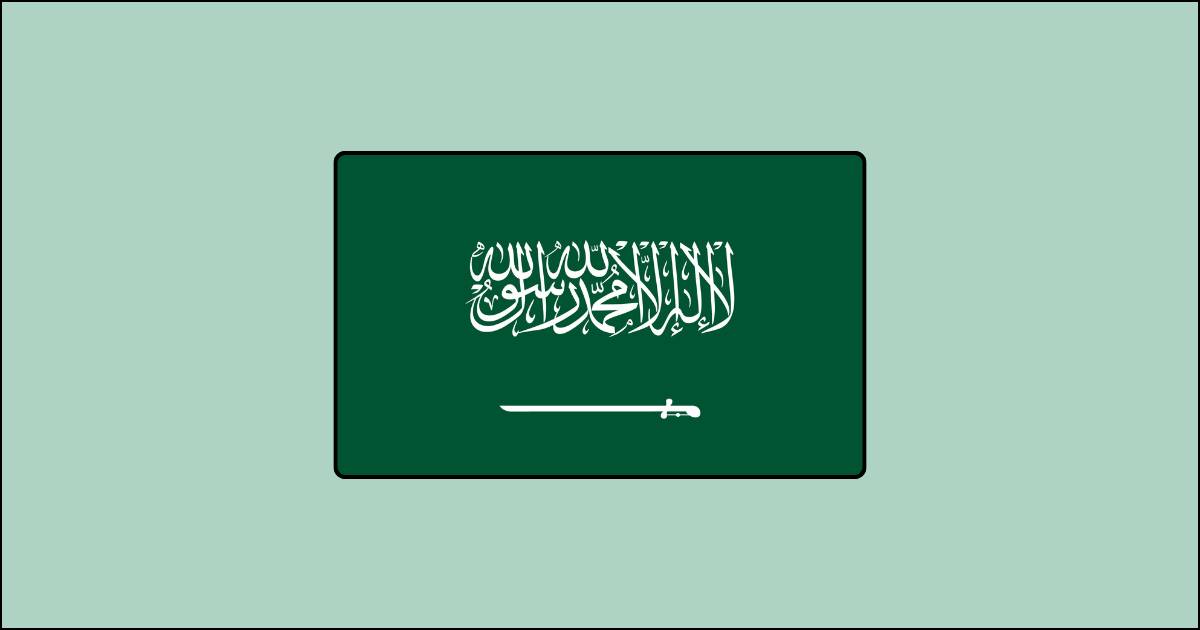
When I see the Saudi flag raised high. I always feel a sense of calm and pride. It is not just a piece of cloth. It carries history, belief, unity and strength.
That is exactly why Saudi Flag Day exists.
Saudi Arabia celebrates Saudi Flag Day on March 11 every year. This day is dedicate to honoring the national flag and everything it represents. The decision reflects deep respect for a symbol that has stood with the Saudi state since its earliest days.
Let me explain what this day means, why March 11 was chosen and why the Saudi flag holds such a powerful place in hearts of Saudis.
What Is Saudi Flag Day
Saudi Flag Day is a national occasion dedicated to Saudi national flag.
It is observed annually on March 11, following a Royal Order issued by Custodian of Two Holy Mosques, King Salman Bin Abdulaziz Al Saud on March 1, 2023.
This decision highlights the historical and symbolic value of the flag, which has accompanied the Saudi state since its foundation in 1727.
For me, this day feels like a reminder. A reminder of identity, belief and unity.
Why March 11 Is Important
March 11 was not chosen random.
On March 11, 1937, King Abdulaziz Bin Abdulrahman Al Saud officially approve the Saudi flag in its current form.
That approval marked a defining moment in Saudi history. It gave the Kingdom a unified and permanent national symbol that still stands today.
So every year on March 11, Saudis remember that moment and what it represents.
The Significance of the Saudi Flag
The Saudi flag is unique. Every element on it carries meaning.
Let me break it down better way.
The Shahada
At the center of flag is the Shahada:
“There is no God but Allah, and Muhammad is the Messenger of Allah.”
This represents:
- The Islamic foundation of the Kingdom
- The message of peace
- Faith as the core of governance and society
Because of the Shahada the flag is treated with the highest respect.
The Sword
Below the Shahada lies the unsheathed sword.
It symbolizes:
- Strength
- Justice
- Wisdom
- Dignity
It also reflects the unification campaigns that led to the formation of Kingdom of Saudi Arabia.
Together, the Shahada and the sword make the flag a symbol of belief protected by strength.
Why the Saudi Flag Is Never Lowered at Half-Mast
This is something many people notice.
The Saudi flag is never flown at half-mast.
The reason is simple and deeply respectful. The Shahada is sacred and lowering it would contradict its meaning.
This rule reinforces the flag’s spiritual and national importance. It represents sovereignty, unity and the essence of the state.
A Symbol of Unity and Sovereignty
For Saudis the flag is more than a national emblem.
It represents:
- Unity of the nation
- Cohesion of society
- Sovereignty of the state
- Loyalty to leadership
Whenever I see the flag raised. I see a shared identity. One land. One belief. One nation.
Early History of the Saudi Flag
The development of Saudi flag was a thoughtful process.
In 1926, King Abdulaziz ordered the formation of the Founding Body. One of its responsibilities was to define the shape and specifications of the national flag.
This showed how early the leadership understood the importance of symbols.
In 1937, King Abdulaziz approved the Shura Council resolution related to the Law of the Flag of the Kingdom.
The law specified:
- Length: 150 cm
- Width: 100 cm
This formalized the flag’s design and measurements.
Different Flags Approved in 1937
In the same year, the Shura Council issued decisions to allocate several flags, including:
- The Flag of His Majesty the King
- The Flag of the Crown Prince
- The Flag of the Armed Forces
- The Domestic Flights Flag
- The Royal Saudi Naval Flag
- The Commercial Maritime Flag
Each flag served a specific purpose while maintaining national identity.
Amendments and Updates Over Time
In 1952, the Shura Council issued amendments related to flag sizes. These updates were based on information from Ministry of Foreign Affairs.
This ensured consistency in international and domestic representation.
The Saudi flag continued to evolve in regulation not in meaning.
The Saudi Flag During the Era of Kings
Interest in the Saudi flag remained strong throughout the reigns of the kings, all sons of King Abdulaziz.
A major milestone came in 1973, during the reign of King Faisal Bin Abdulaziz.
The Law of the Flag of the Kingdom was issued, detailing:
- Official specifications
- Rules for use
- Respectful handling
The law also introduced a special flag for the King, featuring a golden palm emblem added to right side.
Implementing Regulations and Standards
In 1978, the Implementing Regulations of the Law of the Flag were issued.
Later, in 1986 the Minister of Interior approved standard specifications for the flag based on guidelines from the Saudi Arabian Organization for Standardization and Metrology.
These steps ensured uniformity and respect across all uses of the flag.
The Flag in the Basic Law of Governance
In 1992, the Basic Law of Governance clearly defined the Saudi flag.
It stated that:
- The flag is green
- The width equals two-thirds of its length
- The Shahada appears in the center
- An unsheathed sword lies beneath it
- It must never be lowered at half-mast
This cemented the flag’s legal and symbolic status.
Saudi Flag Day Today
Today, Saudi Flag Day is observed with pride across the Kingdom.
One powerful image associated with this day is the flag raised at Al-Hukm Palace Square in Riyadh. It reflects leadership, history and national unity.
For me, Saudi Flag Day is quiet yet powerful. It does not need fireworks. The flag itself speaks.
Final Thoughts
Saudi Flag Day is not just about remembering a date. It is about honoring a symbol that carries belief, history and unity.
The Saudi flag tells the story of a nation founded on faith, strengthen by unity and guided by leadership.
Every time it flies, it reminds us who we are. And that is why March 11 matters.
Read Also: History of Al Madinah al Munawwarah