
Introduction: Aseer Province Handicrafts
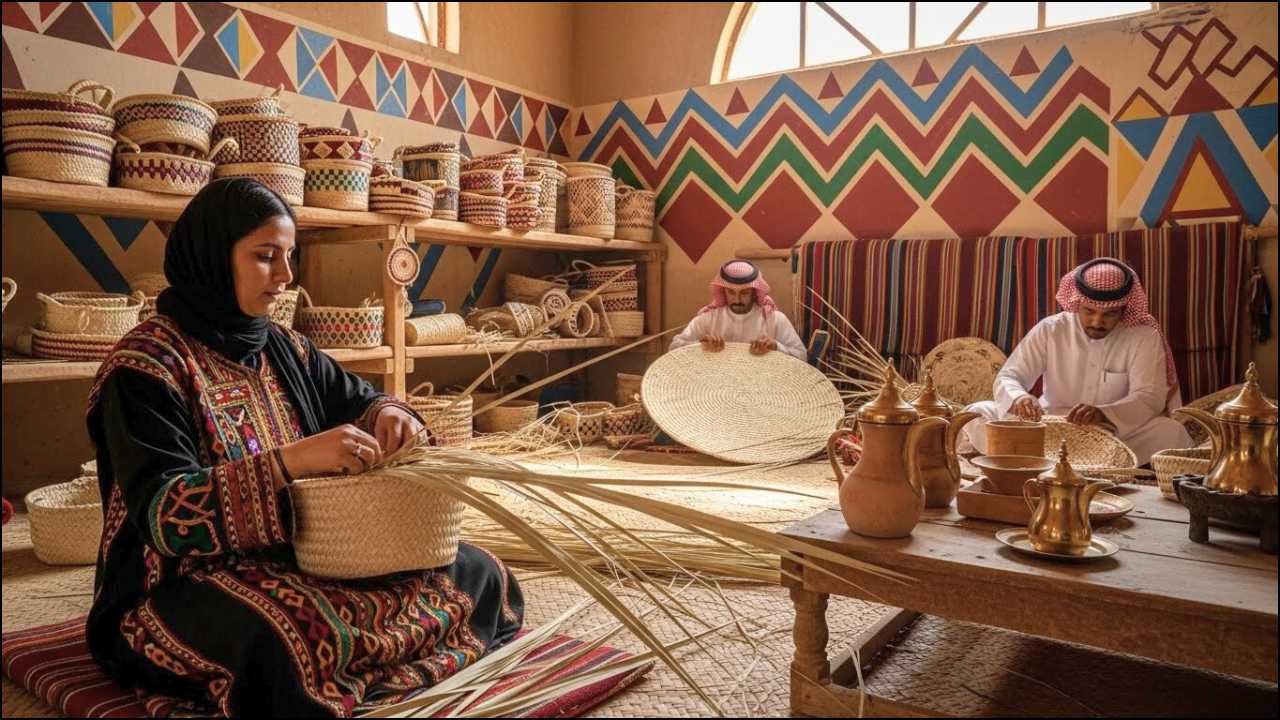
Aseer Province is in the mountainous southwest of Saudi Arabia. Families have practice six traditional arts for hundreds of years. These crafts show the region’s culture and heritage. Each art uses local materials and ancient methods. Let me tell you about each one.
What Makes Aseer a Cultural Heartland
Aseer is special because the region preserved ancient practices. Families pass skills down through direct teaching. Children learn by watching their parents work. This creates a living tradition you can still see today.
The region’s location in the mountains helped keep these traditions alive. Outside the busy cities, families continue doing things the old way. No schools teach these skills. Learning happens through daily practice with family members.
- Al-Qatt Al-Asiri (القط العسيري)
- Traditional Metalwork
- Aromatic Plant Crafts
- The Aseeri Dress
- Palm Frond Weaving
- Traditional Honey Production
Al-Qatt Al-Asiri
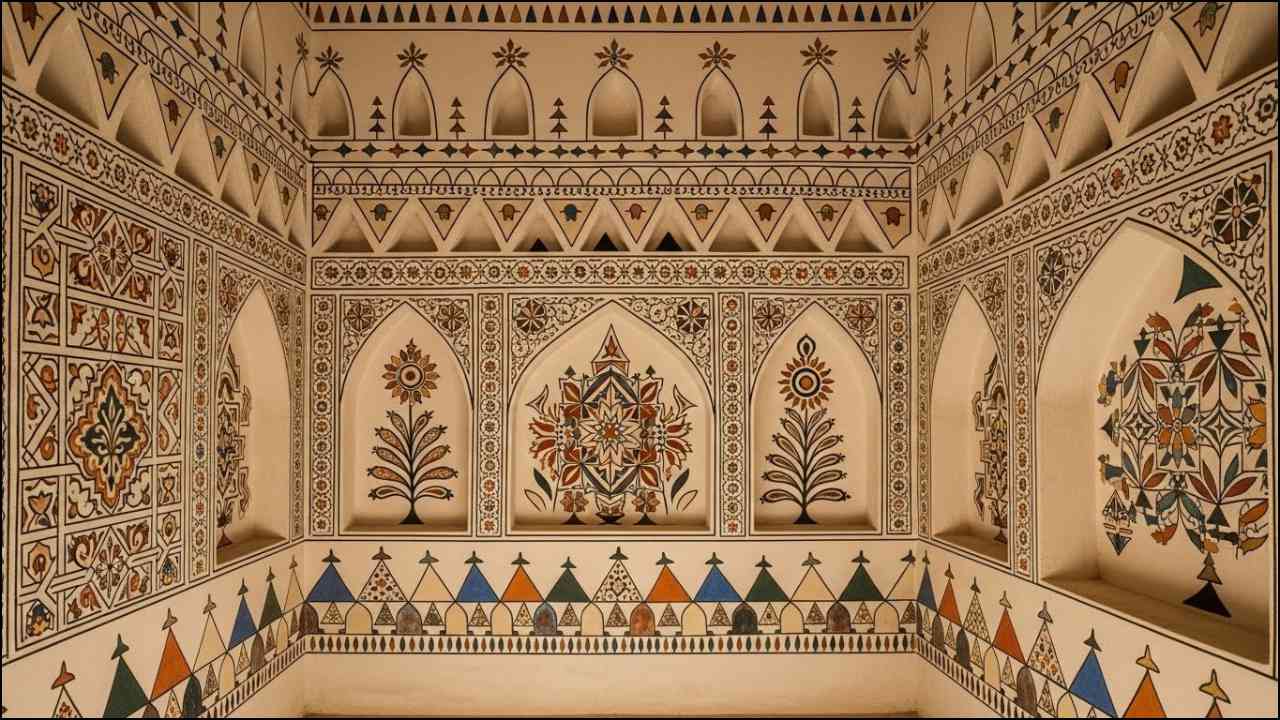
Al-Qatt al-Asiri is the most famous art from Aseer. Women paint colorful geometric patterns on the inside walls of homes. The patterns are inspired by nature and local culture. Bright colors make the walls beautiful and unique.
Each pattern tells a story about the family. UNESCO added this art to their Intangible Cultural Heritage List in 2017. This means the whole world recognizes it as important. You can see these decorated walls in homes across the province. Neighbors often gather together to paint walls as a community activity.
Traditional Metalwork
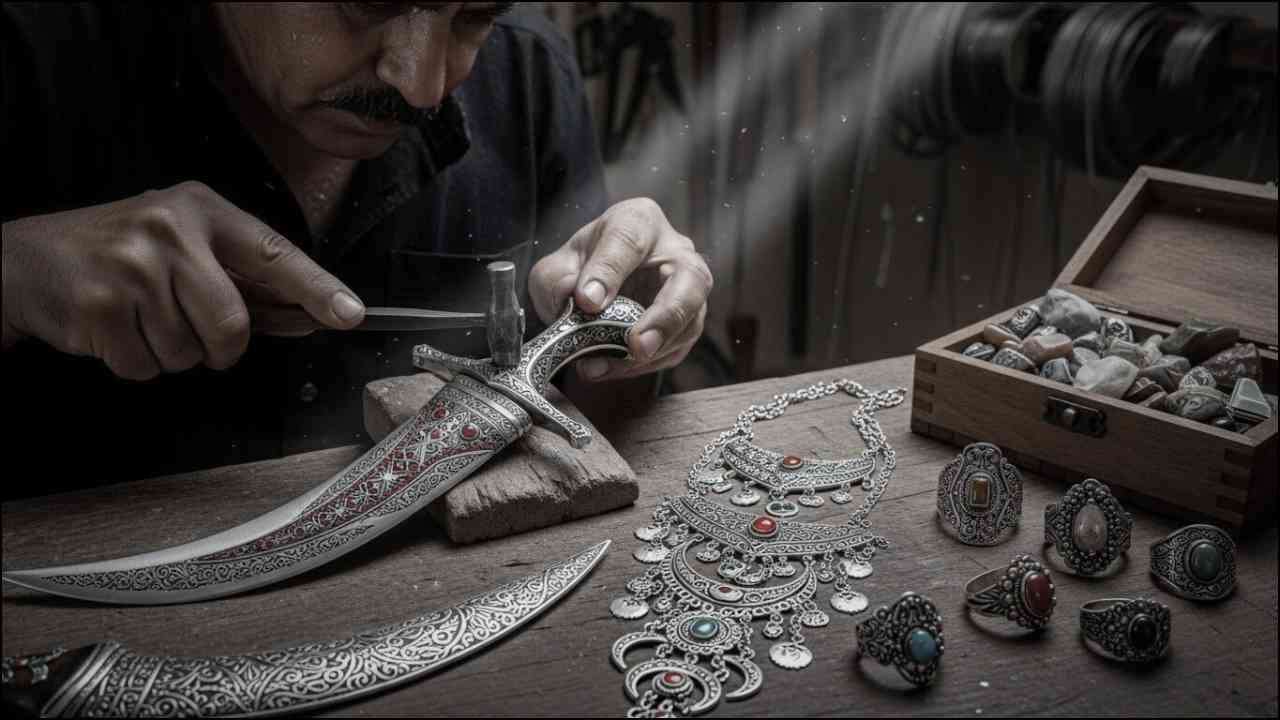
Aseer artisans make traditional bladed weapons with beautiful designs. They also create ornaments and jewelry from metal and silver. The metal comes from local sources when possible. Blacksmiths heat and shape each piece by hand.
The finished products serve both practical and decorative purposes. You will find these items in local markets. Each piece is unique because it is made by hand. No two items are exactly the same.
Aromatic Plant Crafts
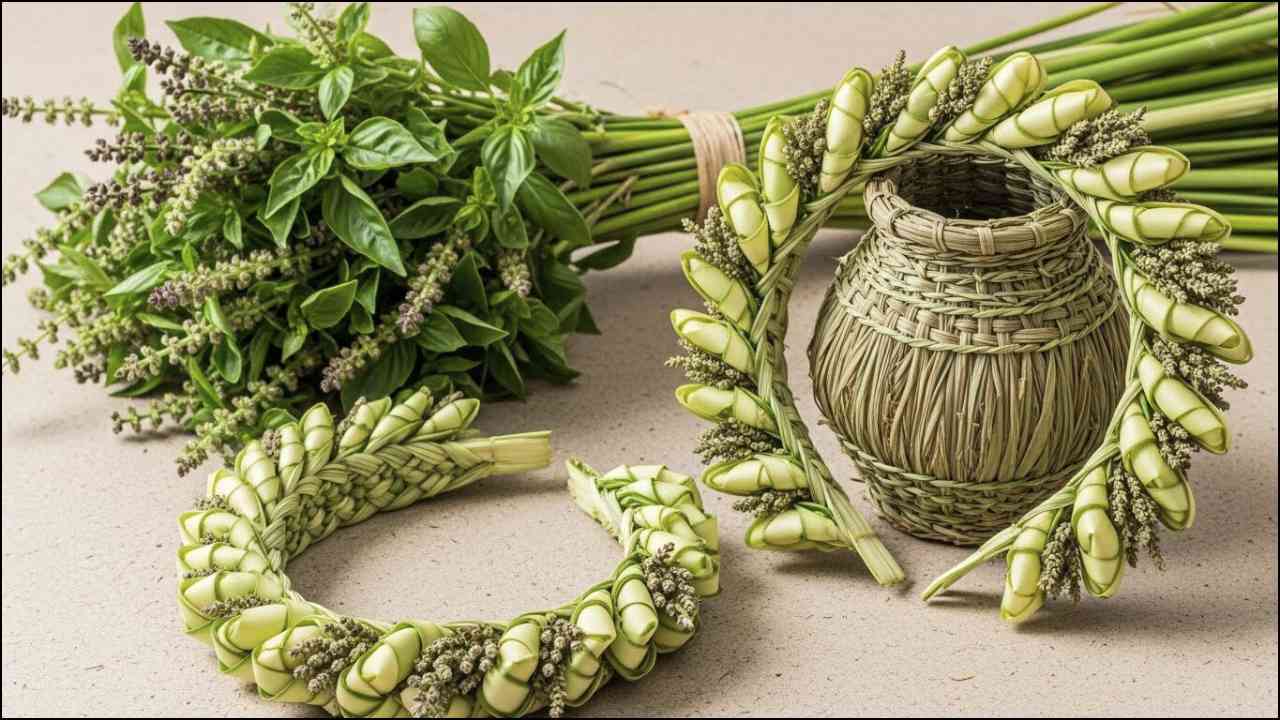
Artisans gather basil, bulrush, wormwood and thatch screwpine from local plants. They weave these plants into bouquets, wreaths and headbands. They also make decorative pots from these materials.
The scent from these creations fills homes and celebrations. Families use them for special occasions and daily life. This practice connects people to their natural environment. Each item is fresh and made from nature.
The Aseeri Dress
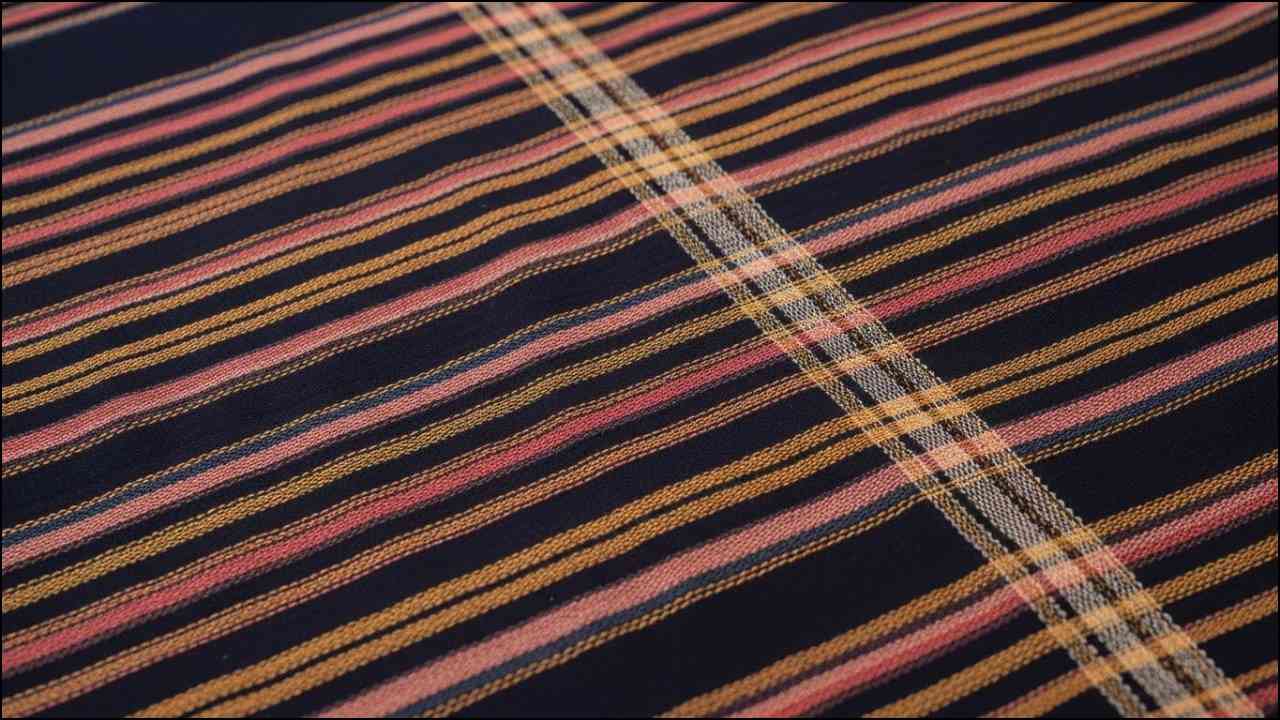
The Aseeri dress is very old and carries special meaning. It has distinctive lines and patterns unique to Aseer. Originally weavers used striped silk. Today they use modern fabrics that look like traditional styles.
The colors and patterns stay true to ancient designs. Women wear these dresses for cultural events and celebrations. Each design signals specific tribal or family identity. The dress represents Aseer heritage in fabric form.
Palm Frond Weaving
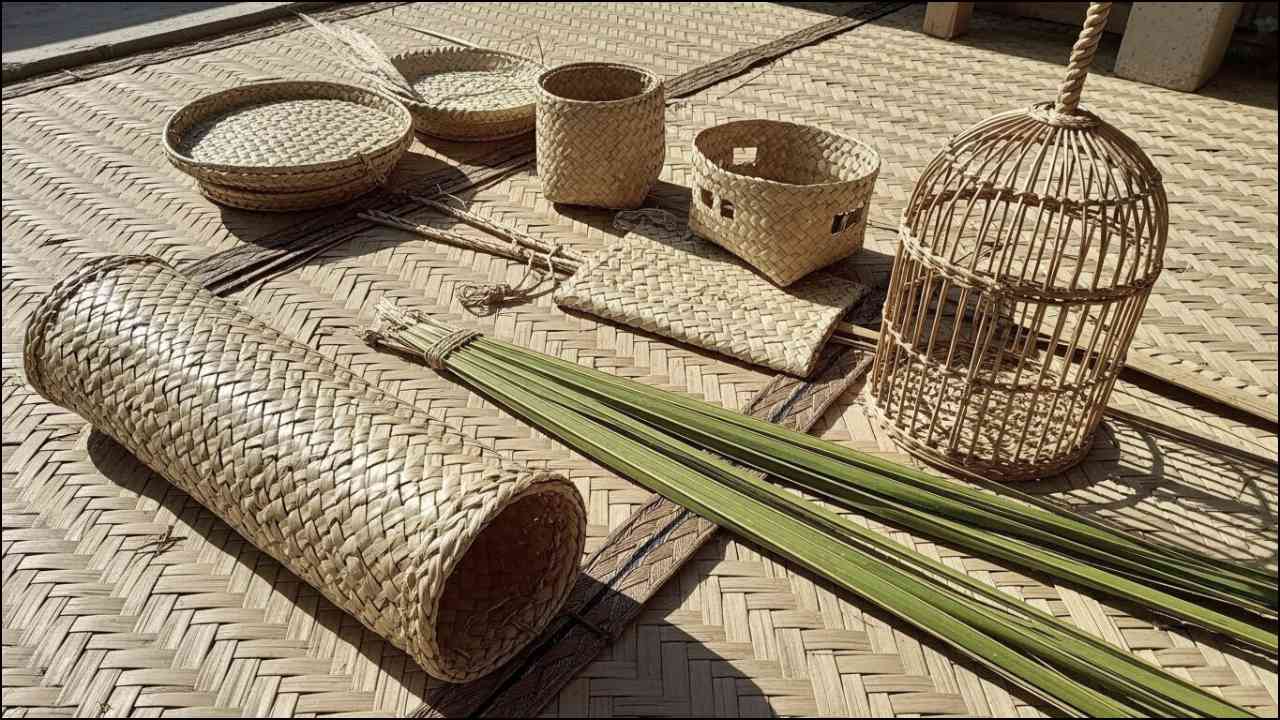
Weavers start by leaving palm fronds and midribs in the sun. The sunlight naturally changes their color. Artisans then weave the dried fronds into fabric like pieces.
These palm items are very practical. Families use mats, floor coverings and prayer rugs in their homes. They also create baby cradles, baskets, cages and ropes. This skill turns abundant local materials into useful items that last a long time.
Traditional Honey Production
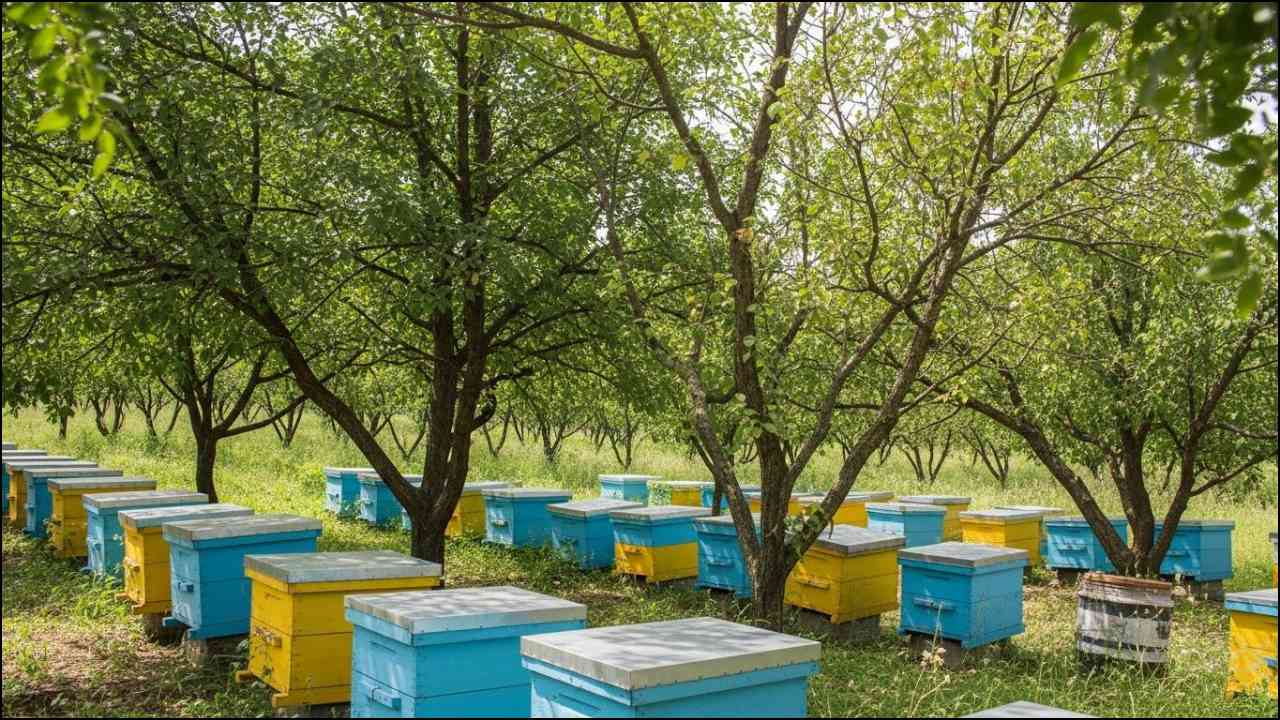
Beekeepers in Aseer produce various honey types. The Tihama areas yield Samar and Salam honey. Bees also collect nectar from Ziziphus spina christi, Acacia asak and Vachellia seyal trees.
Each honey type offers a unique flavor. The production follows seasonal cycles based on when flowers bloom. Families often keep their own hives. The honey supports both household use and local sales. This honey is valuable because it’s natural and comes from Aseer’s forests.
How Family Workshops Keep Traditions Alive
Family run workshops are the heart of Aseer’s arts. Parents teach children directly. No formal schools exist for these skills. Learning happens through daily practice and watching experienced makers.
The workshops remain small and personal. You will not find mass production here. Each item carries the maker’s personal touch. This approach maintains quality and authenticity. The method preserves techniques exactly as ancestors practiced them.
Why These Handicrafts Matter Today
These old practices still matter in our modern world. The arts preserve cultural identity in a changing world. They offer sustainable livelihoods for families. The products provide authentic souvenirs that tell stories.
When you buy these crafts, your money goes directly to the families who make them. The practices also protect local ecosystems. Traditional honey production supports bee populations. Palm weaving uses renewable materials from nature.
Where to Find Authentic Aseer Handicrafts
Visit local markets in Abha and other Aseer towns. Look for family run shops rather than commercial stores. Ask sellers about their production methods. Authentic makers love sharing their process.
Check for handmade details. Machine made items lack the character of hand woven pieces. The price reflects the time invested. Cheap items likely come from factories outside the region. Real Aseer handicrafts are worth the price because of the skill and time involved.
Final Words
Aseer Province handicrafts represent living traditions. Six distinct arts have survived through family dedication. Each practice uses local materials and ancient techniques. Al-Qatt al-Asiri gained world recognition. Metalwork, weaving, dressmaking and honey production continue in family workshops.
These arts preserve cultural identity while providing sustainable income for families. When you visit Aseer, you get direct access to authentic makers and their stories. Every purchase supports these communities and keeps these traditions alive for the next generation.
Read More:
Stay updated
Follow us for latest Guides: