
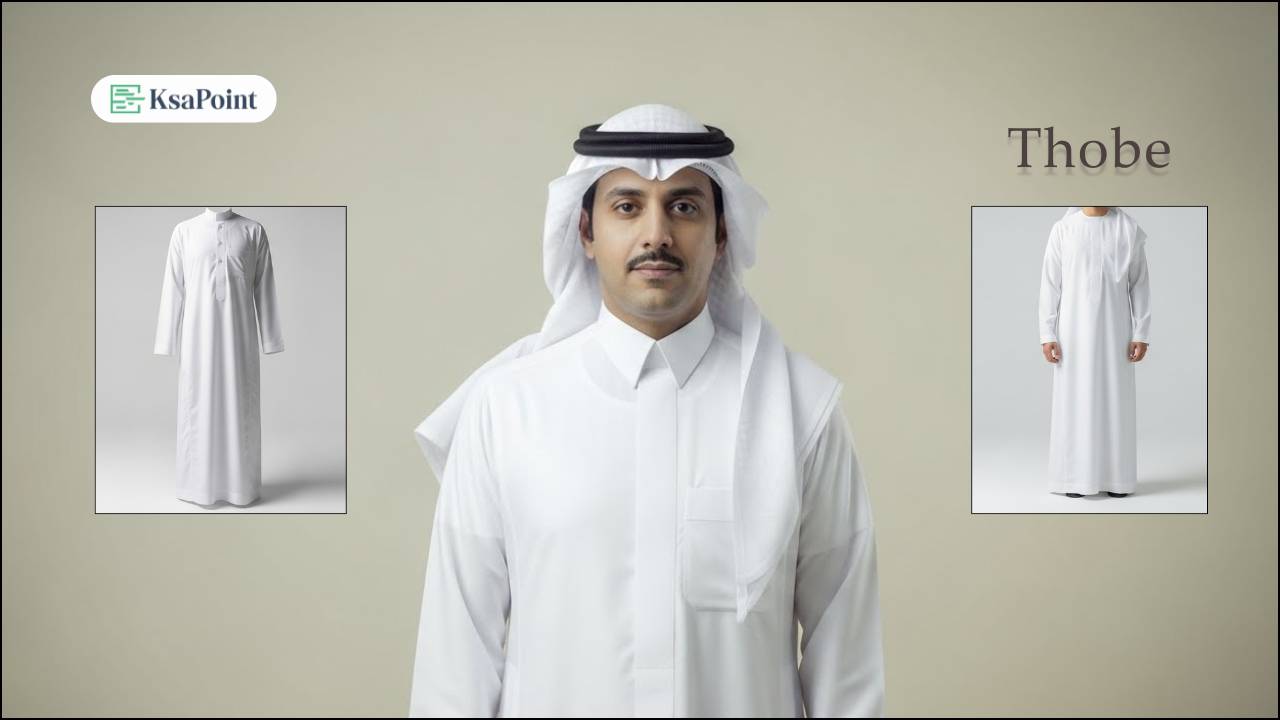
Thobe in Saudi Arabia
When you walk through any city in Saudi Arabia like Riyadh, Jeddah or Dammam. The first thing you will notice is the Thobe. This long white robe is more than just clothing. It is a cultural signature, a symbol of dignity, comfort and national pride. While not legally required but Thobe remains the preferred daily attire for Saudi men in offices, universities, markets and family gatherings.
Understanding its significance not only helps visitors blend in comfortably it shows respect for Saudi traditions and social customs.
Facts About the Thobe
| Aspect | Details |
|---|---|
| Common Name | Thobe (also Dishdasha) |
| Type | Long white robe |
| Gender | Primarily worn by men |
| Legal Requirement | Not obligatory for public wear |
| Tailor made | Preferred by majority of men |
| Ready made | Available but less popular |
| Head Covering | Often paired with Shemagh or Ghutra |
| Government Offices | Required in some facilities |
| Public Decency | Laws regulate minimum dress standards |
Thobe: National Costume of Saudi Arabia
The Thobe represents more than clothing. It carries centuries of heritage. The garment design suits the climate. The long sleeves and full coverage protect skin from intense sun exposure. The loose fit allows air circulation. The white color reflects heat. What appears traditional actually solves practical problems in desert living.
Saudi men choose the Thobe for comfort and identity. Wearing it means belonging to a community with shared values and history. The majority of men in Kingdom prefer having their Thobes custom tailored. A skilled tailor adjusts the fit, sleeve length and collar style to personal preference. The resulting garment feels more personal than ready made options.
Ready made Thobes exist in shops throughout Saudi Arabia. They cost less than tailored versions. A few men purchase them for convenience. Most prefer the quality and custom fit of tailored work.
Is the Thobe Legally Required in Saudi Arabia
This is not obligatory. You can walk through Saudi streets, enter shops and visit public places without wearing one. The law does not mandate this traditional costume for ordinary citizens going about daily life.
However preference runs strong. Many men wear this in public facilities and places. It remains one of favorite types of clothing among Saudis. You see it more often than Western style clothing. The cultural preference toward wearing it creates an expectation without legal force.
Government Dress Codes Requiring the Thobe
Some government entities enforce dress codes. Men entering certain government offices must wear a Thobe, Shemagh or Ghutra. These requirements apply to specific premises and specific times. They reflect official standards for formal interaction with state institutions.
The requirement signals respect and formality. When doing business at government offices, following the dress code matters. It demonstrates understanding of local customs and seriousness about your transaction. Visitors should check requirements before visiting government buildings.
Not every government office has this requirement. Policies vary. Contacting the specific office ahead of time prevents confusion and ensures you dress appropriately for your visit.
Public Decency Laws in Saudi Arabia
The Kingdom protects public decency through law. Leaving the house in undergarments is prohibited. This rule applies to everyone. The law establishes minimum dress standards for anyone in public spaces.
What counts as acceptable wear extends beyond this baseline. Most Saudis wear full clothing covering arms and legs. This standard reflects both legal requirements and cultural norms. Understand these expectations prevents violations and shows respect.
Foreign visitors should dress modestly. Women typically wear abayas or long clothing. Men wear long pants and shirts. The Thobe represents one option for men seeking to blend in culturally while meeting legal standards.
Modern Saudi Life
The Thobe adapts while maintaining tradition. Modern versions include subtle embroidery on collars. Some feature hand-stitched details. Quality fabrics range from basic cotton to premium materials. The garment evolves with contemporary fashion while staying recognizable across generations.
Young Saudis wear the Thobe to university, to work in modern offices, to shopping malls. The costume works in every setting because it carries cultural weight independent of fashion trends. A young professional in a tech company wears the same type of garment as his grandfather wore decades ago.
The Thobe creates equality. Rich and poor both wear versions of the same costume. The difference lies in fabric quality and tailoring precision, not in garment type itself. This uniformity strengthens cultural cohesion.
Pairing the Thobe With Head Coverings
The Shemagh and Ghutra accompany the Thobe. The Shemagh is a checkered cloth covering the head and shoulders. The Ghutra is a plain white cloth. The Agal, a black cord, holds these coverings in place.
These pieces complete the traditional look. Many men wear them daily. Others save them for formal occasions or government visits. The combination of Thobe with Shemagh creates the iconic image of Saudi Arabia.
Conclusion
The Thobe remains one of most defining elements of Saudi culture. It blends practicality with identity, connecting generations and representing national pride. For visitors, understanding its meaning and knowing when it is required helps create smooth interactions and shows respect for local traditions.
Whether you choose to wear one during your stay or simply admire it, the Thobe offers a unique window into heart of Saudi society. 😊
Read More:
Stay updated
Follow us for latest Guides: