
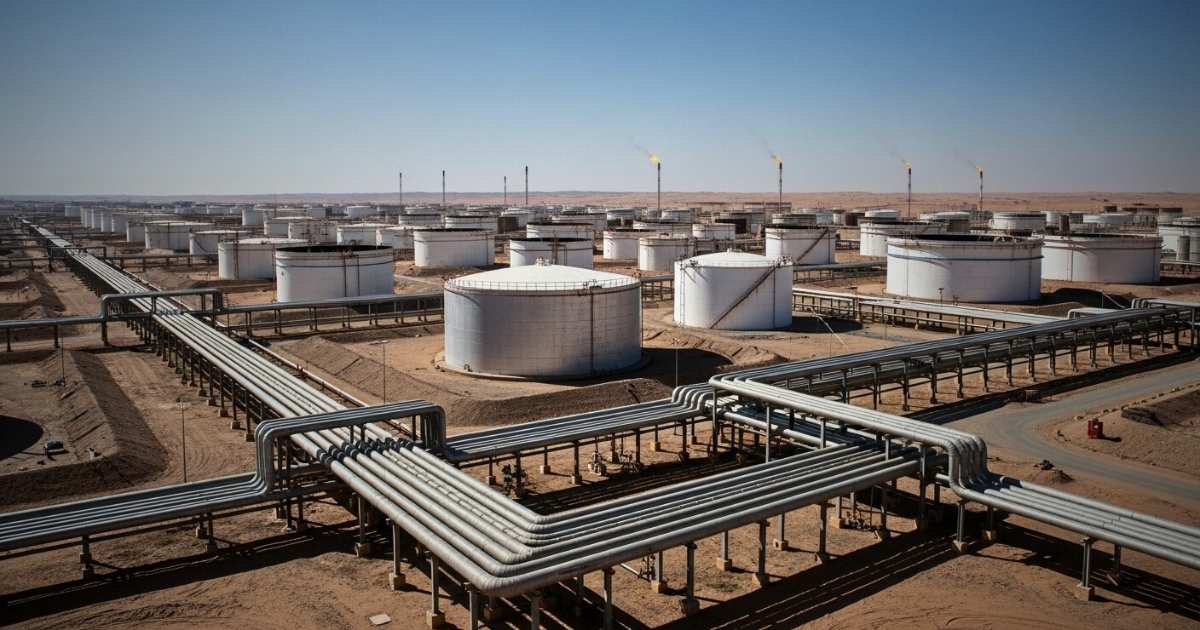
Introduction: Saudi Oil Production
When people talk about global energy. Saudi Arabia is always part of conversation. I have follow the Kingdom’s energy story for years and one moment truly stands out.
In the first quarter of 2022, Saudi Arabia reached its highest oil production level in history. Hitting thirteen million barrels per day.
That number is not just impressive. It represents decades of planning, infrastructure and experience that began long before most people realize.
Let me walk you through how Saudi Arabia reached this milestone and why it matters.
A Historic Production Record in 2022
The first quarter of 2022 marked a turning point.
Saudi Arabia produce thirteen million barrels of oil per day. The highest level since the Kingdom began commercial oil production and exports in 1939.
This achievement highlight the ability of Saudi Arabia to:
- Respond to global energy demand
- Maintain stable supply
- Operate at peak production capacity
For me, this moment confirmed what the energy world already knew. Saudi Arabia remains a cornerstone of global oil markets.
What Saudi Oil Production Includes
When we talk about Saudi oil production. It is not limited to crude oil alone.
Saudi Arabia production includes:
- Crude oil
- Condensates
- Natural gas liquids
- Natural gas
- Non-associated gas
This diversified production structure strengthens the Kingdom’s energy sector and supports both domestic needs and exports.
It also allows flexibility during market changes.
Global Oil Reserve Ranking of Saudi Arabia
Another key strength lies beneath the ground.
By the end of 2021, Saudi Arabia’s oil reserves exceeded 337 billion barrels of oil equivalent.
This places the Kingdom second globally in oil reserves.
These reserves ensure:
- Long term production stability
- Energy security
- Continued global influence in energy markets
Whenever I look at these figures. I see long term confidence not short term output.
The Beginning of Saudi Oil Production
Oil journey of Saudi Arabia began in 1939.
That year marked the start of:
- Commercial oil production
- Domestic supply fulfillment
- Oil exports to international markets
This moment change the future of Kingdom.
Oil quickly became a foundation for development, infrastructure and modernization.
Rapid Growth After Discovery
The growth was fast.
By 1949 Saudi Arabia’s oil production reached 500,000 barrels per day.
In just a decade, the Kingdom transformed from a new producer into a major supplier.
This growth was driven by:
- Strategic investment
- Geological expertise
- Expanding export infrastructure
I always find this period fascinating because it laid the groundwork for everything that followed.
From Regional Producer to Global Leader
Over the decades, Saudi Arabia continued to expand its production capacity.
It became known for:
- Reliable supply
- Ability to increase output when needed
- Stabilizing global oil markets
Even during global crises, Saudi oil production remained consistent and dependable.
This reliability is one reason global markets pay close attention to Saudi production decisions.
Balancing High Production With Environmental Responsibility
One fact often surprises people.
Despite being one of the largest oil producers in the world, Saudi Arabia achieved the lowest carbon emission intensity in the exploration and production sector of energy industry in 2021.
This means:
- More oil produced with fewer emissions
- Efficient extraction methods
- Advanced operational standards
From my perspective, this shows that production scale and environmental responsibility do not have to conflict.
What Low Carbon Intensity Really Means
Carbon intensity measures how much carbon is emitted per unit of energy produced.
Saudi Arabia’s low carbon intensity reflects:
- Modern infrastructure
- Optimized production techniques
- Continuous efficiency improvements
This achievement strengthens the Kingdom’s position in a world increasingly focused on sustainability.
Role of Oil in the Saudi Economy
Oil production remains a key pillar of Saudi Arabia’s economy.
It supports:
- National revenue
- Industrial development
- Energy exports
- Global trade partnerships
At the same time, the Kingdom continues to diversify its economy under long term development plans.
Oil provides strength while transformation moves forward.
Why Saudi Oil Production Still Matters Globally
Some people ask whether Saudi oil still matters in a changing energy world.
My answer is simple.
Yes, it does.
Saudi Arabia’s production capacity provides:
- Market stability
- Emergency supply flexibility
- Energy security for many countries
Few producers can increase output quickly while maintaining quality and reliability.
A Legacy Built Since 1939
From the first shipments in 1939 to record-breaking production in 2022, Saudi Arabia’s oil story is one of growth and adaptation.
Each phase built upon the previous one.
Experience accumulated. Systems improved. Standards rose.
That legacy explains how the Kingdom reached thirteen million barrels per day without disruption.
Final Thoughts
Saudi Arabia’s oil production history is not just about numbers. It is about consistency, expertise and long term vision.
Reaching thirteen million barrels per day in 2022 was not an accident. It was the result of more than eighty years of experience.
With vast reserves, diversified production and low carbon intensity, Saudi Arabia continues to play a vital role in global energy.
Also Read: Phosphate in Saudi Arabia: Reserves and Mines
