
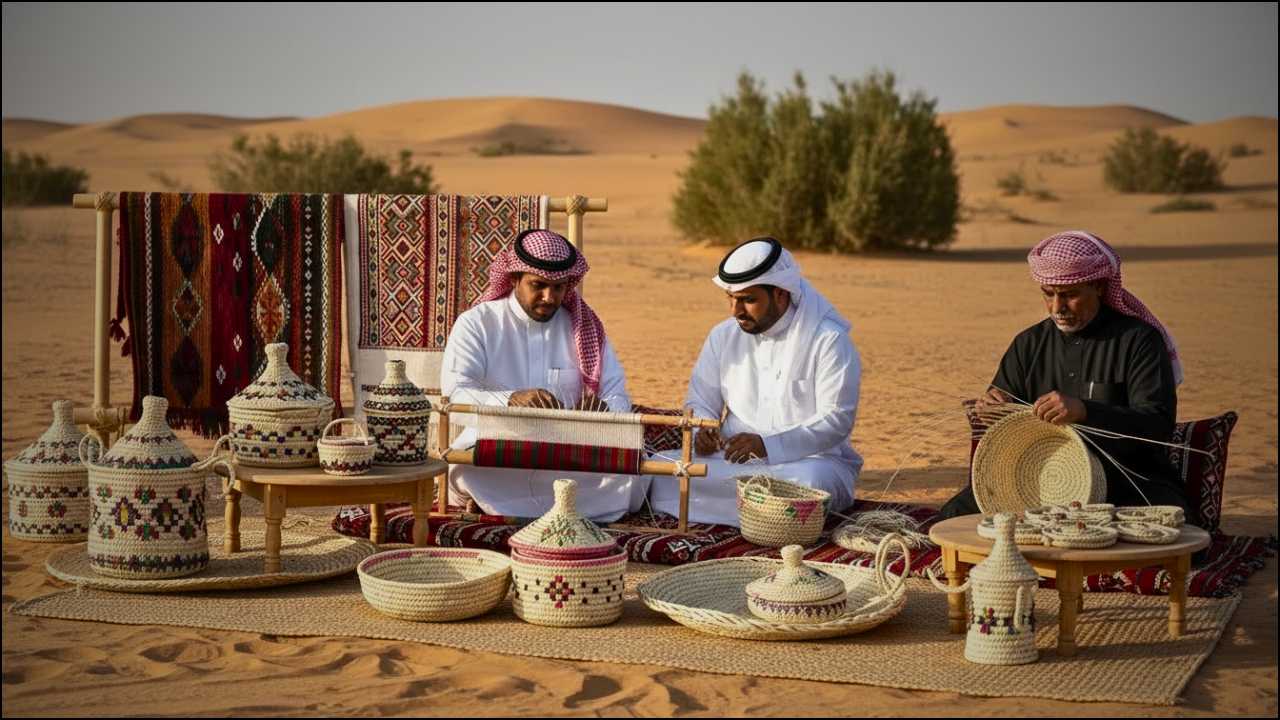
Handicrafts of Al-Jawf Province
Al-Jawf Province is in the north of Saudi Arabia. This place is famous for its traditional handicrafts. People here have been making handmade items for many years. These crafts use natural materials and simple tools. They help us understand how people lived in the past and how they respected nature.
Why Al-Jawf Province Is Special
Al-Jawf is rich in nature. It has palm trees, sheep, goats, camels, olive trees and even salt lakes. The people of Al-Jawf learned how to use these natural gifts. They made useful items for daily life. Over time, these skills became traditions passed from parents to children.
These handicrafts are not only useful. They also tell stories about desert life, travel, work and family.
Al-Sadu Weaving in Al-Jawf
Al-Sadu weaving is one of most famous crafts in Al-Jawf. Women mostly do this work. They use wool and hair from animals.
Al-Sadu is done by hand. It takes patience and practice. In 2020 UNESCO honored Al-Sadu as an important world heritage craft.
Things Made with Al-Sadu
Al-Sadu is used to make many items.
Home items
- Tents
- Rugs and carpets
- Cushions and armrests
Useful items
- Saddlebags
- Storage pouches
- Water skins
Decorations
- Tassels
- Horse and camel ornaments
Clothing
- Traditional cloaks
- Embroidered belts
- Woolen garments
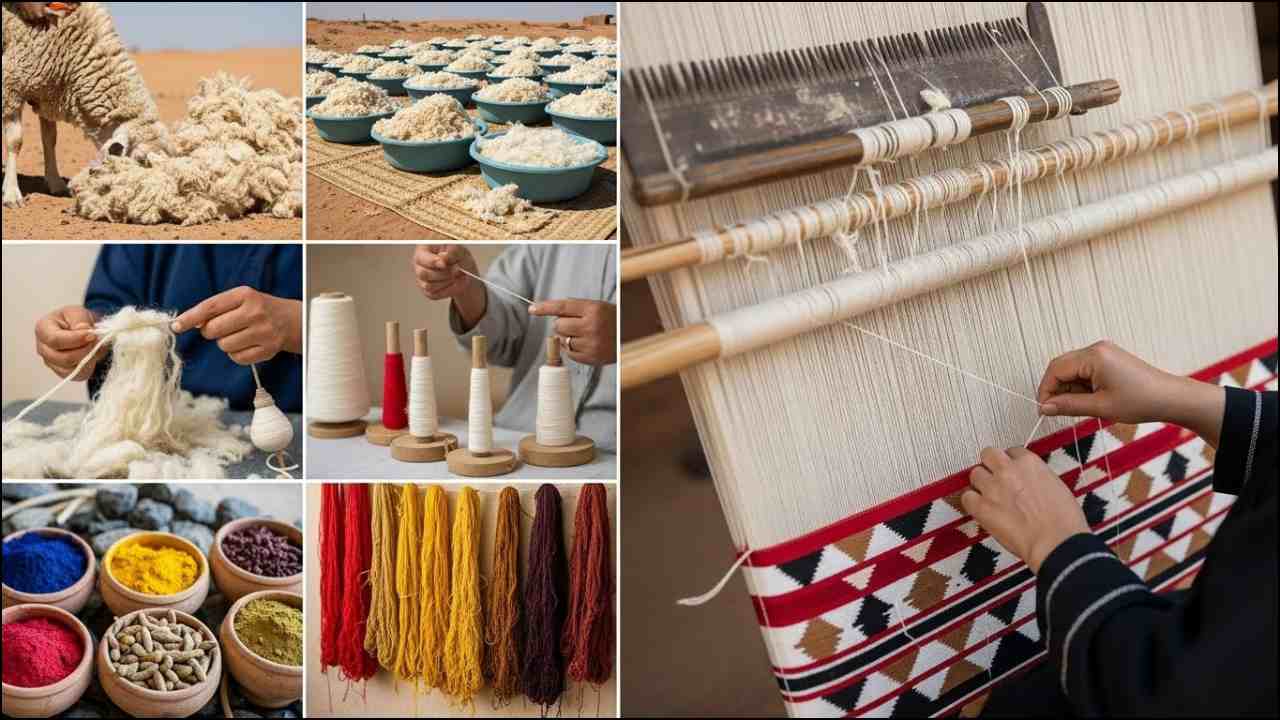
How Al-Sadu Is Made
Making Al-Sadu takes many steps.
- Wool is taken from sheep, goats or camels
- The wool is washed and dried in the sun
- Fibers are prepared using a wooden tool
- Threads are spun by hand
- Threads are dyed with natural colors
- The threads are woven into patterns
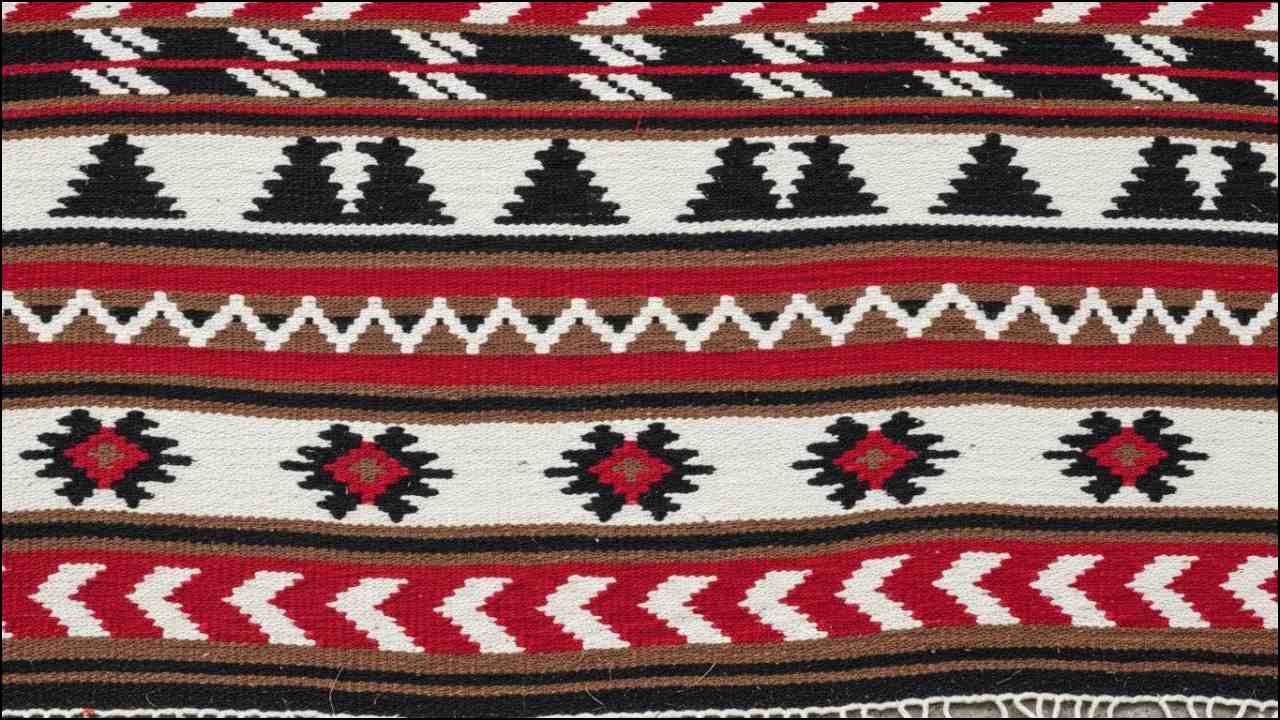
The patterns use shapes like triangles and lines. Each shape has meaning.
Colors and Designs
Al-Sadu uses simple colors.
- Black
- White
- Red
- Brown
These colors come from nature. The designs show desert life and Bedouin traditions.
Palm Fiber Crafts in Al-Jawf
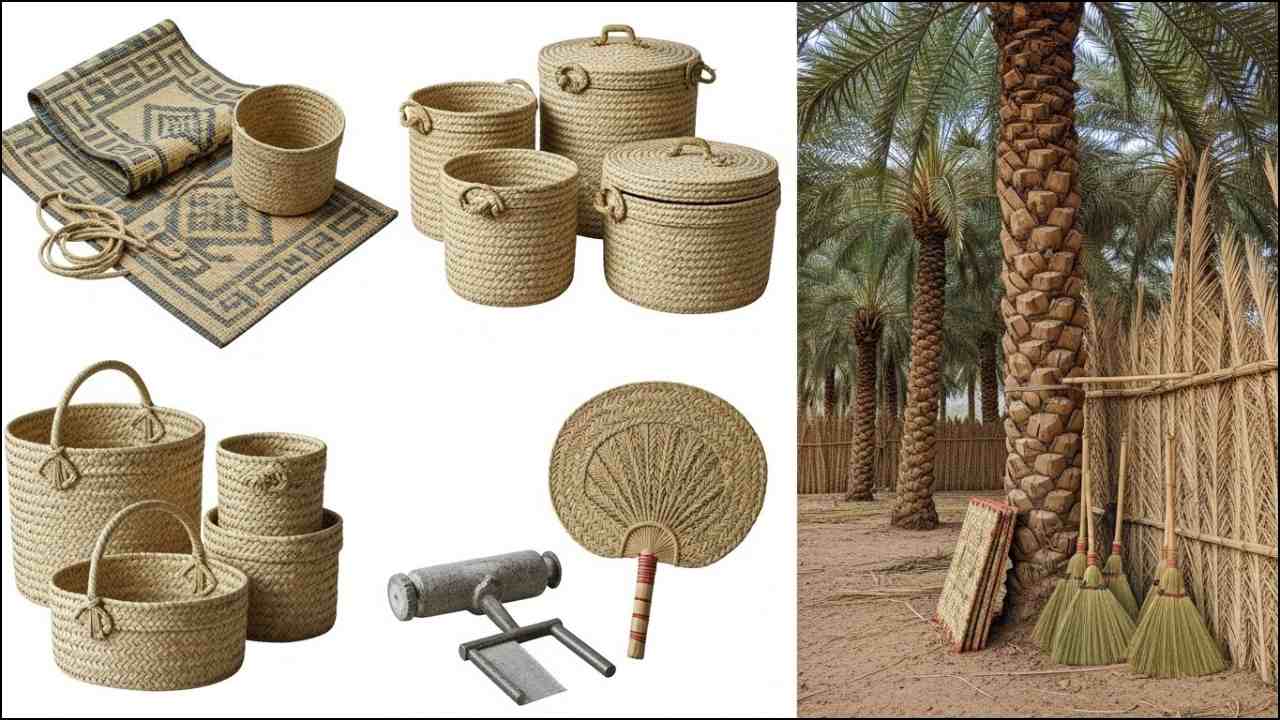
Al-Jawf has many palm trees. People use palm leaves and trunks to make daily items. This craft is called rope twisting and palm weaving.
Items Made from Palm Trees
- Mats and carpets
- Baskets with handles
- Storage boxes
- Food containers
- Grinding tools
- Hand fans
- Brooms
- Palm walls
This craft shows how nothing from nature is wasted.
Salt Extraction in Al-Jawf
In the town of Kaf, people collect salt from a dry salt lake. This work has been done for hundreds of years. Long ago, salt from Al-Jawf was sold to faraway places.
Salt extraction is one of oldest jobs in the area. It help to people earn money and trade with others.
Soap Making from Olive Oil
Al-Jawf is full of olive trees. People use olive oil to make natural soap. This soap is gentle and good for the skin. It is made using old methods and natural ingredients.
Other Handicrafts in Al-Jawf
Al-Jawf is known for many other crafts.
- Silk making
- Leather tanning
- Blacksmithing for swords and daggers
- Jewelry making
- Mud-brick building
- Woodwork
- Beekeeping and honey
- Date processing
- Perfume and bag making
Each craft shows skill and tradition.
Why These Handicrafts Matter
These handicrafts are important because they
- Protect cultural history
- Provide jobs to local people
- Teach skills to young generations
- Show creativity and care
- Respect nature
UNESCO Recognition
UNESCO added Al-Sadu weaving to its heritage list in 2020. This honor shows the world values these traditions. It helps protect the craft for the future.
How You Can Help Keep These Crafts Alive
You can support Al-Jawf handicrafts in simple ways.
- Buy handmade local products
- Visit heritage markets
- Attend cultural festivals
- Learn and share stories
- Visit artisan workshops
Conclusion
Al-Jawf Province is full of beautiful handicrafts. These crafts come from nature, hard work and tradition. They tell stories of desert life and family skills. By learning about them and supporting artisans, we help keep these traditions alive for the future. 😊
Stay updated
Follow us for latest Guides:
✅ WhatsApp Channel
☑️ Telegram Channel
Related Articles: